What Is Black Frost? The Invisible Freeze That Can Damage Crops Overnight
Black frost is one of the most damaging winter weather events for farmers because it often strikes without the familiar white coating of frost. Here's what causes it, why it turns plants black, and when South Africans are most at risk.
When most people think of frost, they picture lawns sparkling white at sunrise or icy patterns forming on car windows. But one of the most destructive types of frost is often the one you can't see.
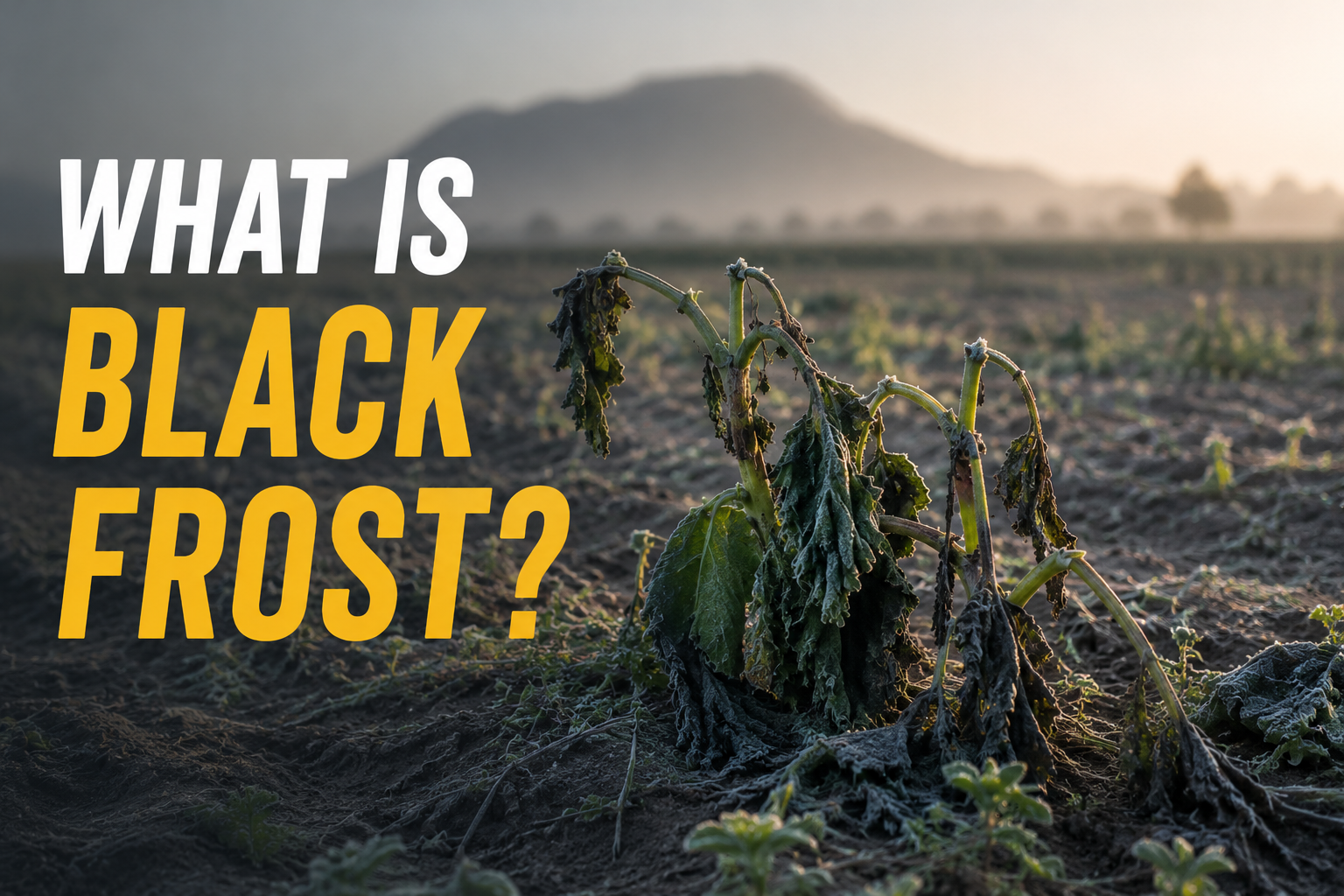
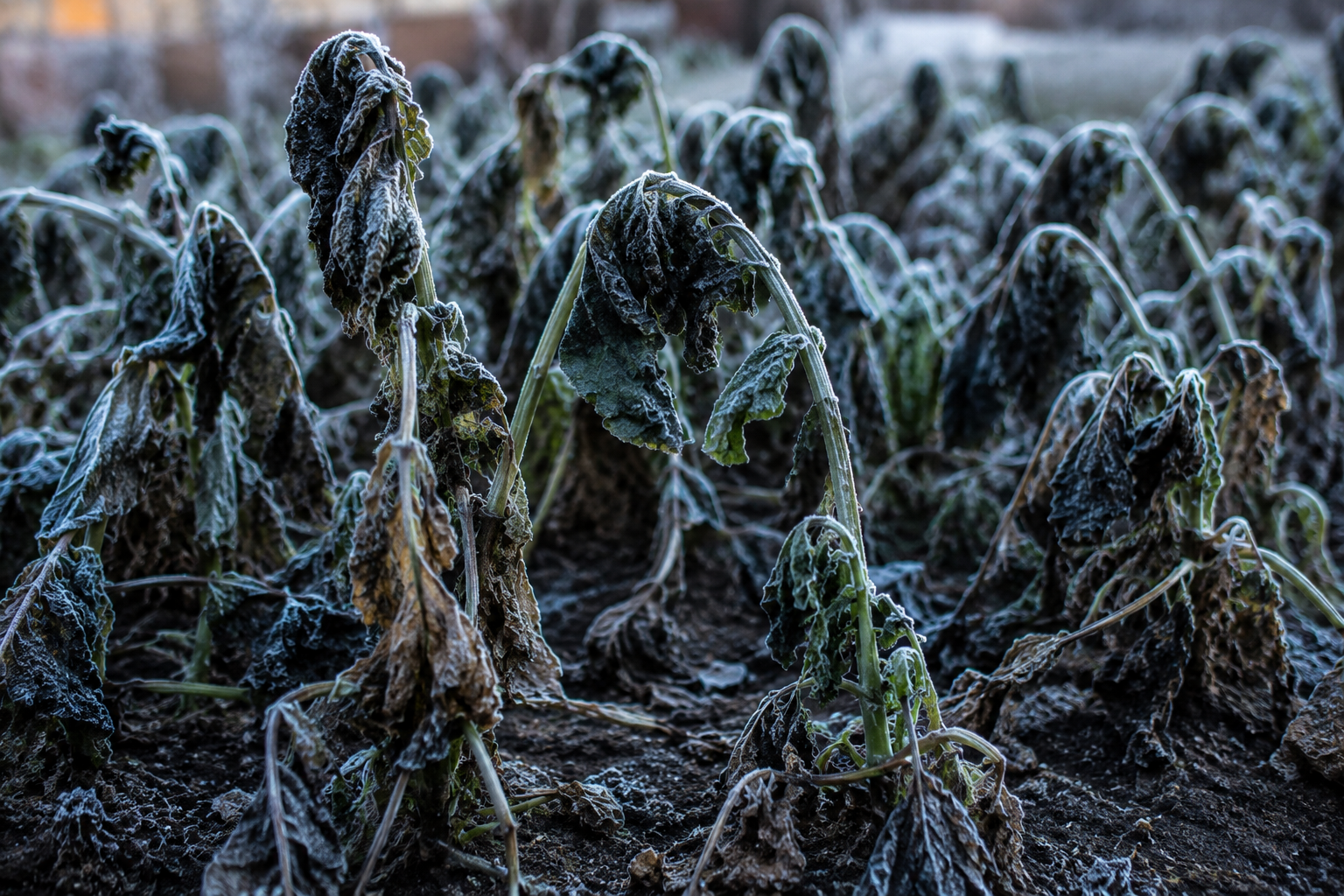
Black frost occurs when temperatures drop below freezing and the air is so dry that little or no visible ice crystals form on plants. Instead of appearing white and frosty, the moisture inside plant cells freezes, rupturing the cells from within. As the plant tissue dies, it darkens, giving rise to the name "black frost."
For farmers, gardeners and anyone growing sensitive plants, black frost can be far more damaging than the familiar white frost.
How Does Black Frost Form?
Black frost usually develops under a combination of very cold, dry and calm conditions.
Unlike white frost, which forms when water vapour freezes onto surfaces, black frost happens when there isn't enough moisture in the air to create those visible ice crystals. The temperature still falls below 0°C, but instead of a layer of frost forming on the outside of the plant, the freezing occurs inside the plant's tissues.
By the time the sun rises, leaves and stems may appear dark brown or black, wilted and lifeless.
Why Is It So Dangerous?
The lack of visible frost can be misleading.
A field may appear unaffected early in the morning, only for damage to become obvious later in the day as the frozen plant cells thaw. Once the cells have been ruptured, the damage is usually permanent.
Black frost can affect:
- Fruit trees during flowering.
- Vineyards.
- Vegetable crops.
- Young seedlings.
- Ornamental garden plants.
Depending on the crop and how cold it gets, an entire harvest can be severely reduced.
Black Frost vs White Frost
Although both occur during freezing conditions, there is an important difference.
White frost
- Moist air allows ice crystals to form on surfaces.
- Plants are covered in a visible white layer.
- Damage can vary depending on the plant and temperature.
Black frost
- Air is very dry, so little or no visible frost forms.
- Plant tissue freezes internally.
- Damage is often much more severe.
Does South Africa Experience Black Frost?
Yes.
Black frost is most common during winter across the country's colder inland regions, particularly in the Highveld, Free State, parts of the Northern Cape, Mpumalanga Highveld and interior valleys where overnight temperatures can plunge below freezing.
Cold outbreaks following the passage of strong cold fronts can create ideal conditions, especially when skies clear overnight and winds become light.
Can You Protect Plants?
While preventing black frost isn't always possible, growers often take steps to reduce the risk.
These include covering vulnerable plants overnight, using frost cloth, irrigating before temperatures reach freezing, or using wind machines in commercial orchards to mix warmer air down to ground level.
For home gardeners, moving potted plants indoors or into sheltered areas can make a big difference during particularly cold nights.
Black frost may be invisible, but its effects certainly aren't.
Because it forms in cold, dry conditions without the familiar white coating of frost, it can catch farmers and gardeners by surprise. Keeping an eye on overnight minimum temperatures, especially during winter cold outbreaks, can help you prepare before this hidden weather hazard strikes.
Whether you're protecting a vegetable patch or managing a commercial farm, understanding black frost is another reminder that not every dangerous weather event is easy to spot.