How La Niña Shapes South Africa's Weather
La Niña is one of the biggest drivers of global weather, but what is it really? Here's a simple explanation of how it works, what it means for South Africa, and why forecasters pay such close attention to it.
You've probably seen weather experts talking about La Niña whenever there's heavy rain, flooding, or an unusually wet summer. But what exactly is it, and why does something happening thousands of kilometres away in the Pacific Ocean affect the weather here in South Africa?
Let's break it down without the complicated science.
What Is La Niña?
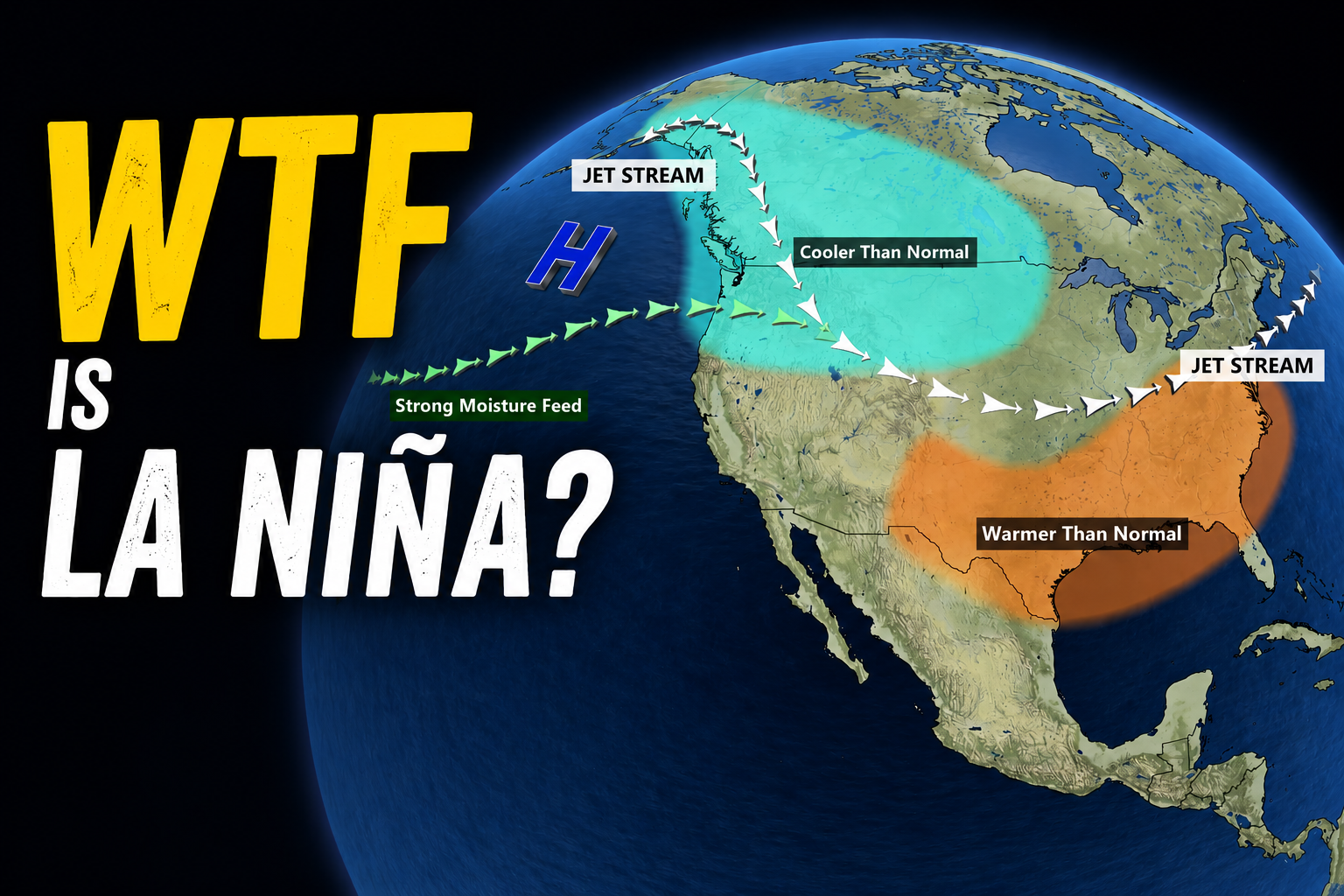
La Niña (pronounced lah NEEN-yah) is a natural climate pattern that occurs when sea surface temperatures in the central and eastern Pacific Ocean become cooler than normal.
At the same time, stronger-than-usual trade winds push warm water further west towards Australia and Indonesia. This causes cooler water from deeper in the ocean to rise to the surface near South America.
While that might sound like it should only matter to countries around the Pacific, the atmosphere is connected around the globe. These changes shift wind patterns and storm tracks, influencing weather on almost every continent.
So, What Does It Mean for South Africa?
For much of South Africa, La Niña is generally associated with:
- Higher chances of above-average summer rainfall
- More frequent thunderstorms
- Increased risk of flooding
- Cooler daytime temperatures during rainy periods
- Improved water supplies and dam levels
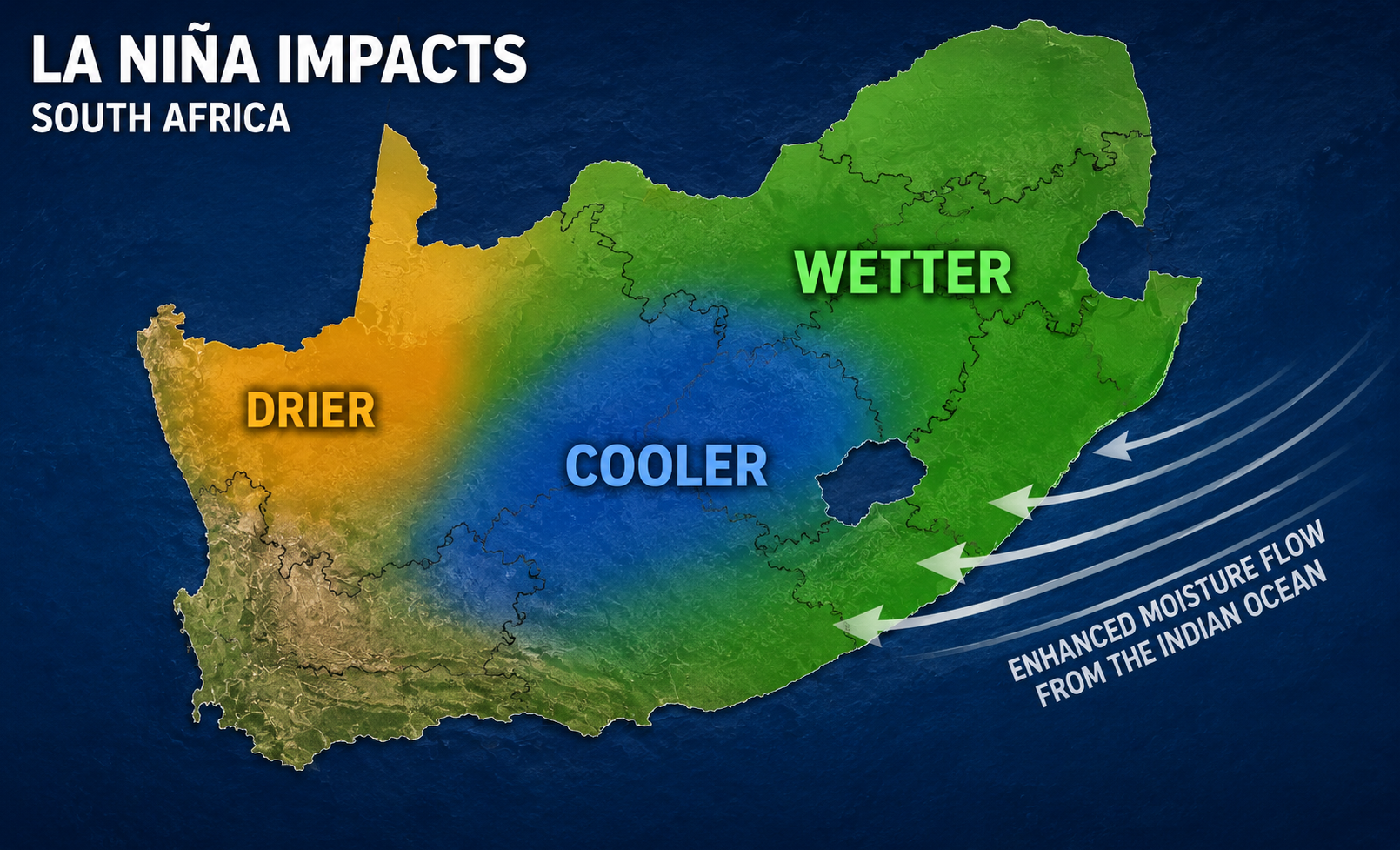
However, it doesn't mean every day will be rainy. There can still be hot spells, dry weeks, and even local drought conditions. La Niña simply increases the odds of wetter-than-normal conditions over the season.
The strongest effects are usually felt between November and March, when South Africa receives most of its summer rainfall.
Which Areas Benefit the Most?
La Niña typically has the greatest influence on the country's summer rainfall regions, including:
- Gauteng
- Limpopo
- Mpumalanga
- North West
- Free State
- KwaZulu-Natal
- Parts of the Eastern Cape interior
The Western Cape, which receives most of its rainfall during winter, is generally much less affected.
Is La Niña Always a Good Thing?
Not necessarily.
Extra rainfall can be excellent for agriculture, replenish dams, and ease drought conditions. Farmers often welcome a moderate La Niña because it can improve crop yields.
But if rainfall becomes excessive, the risks increase too.
Heavy downpours can cause:
- Flash flooding
- River flooding
- Landslides
- Damage to roads and infrastructure
- Crop losses from waterlogging
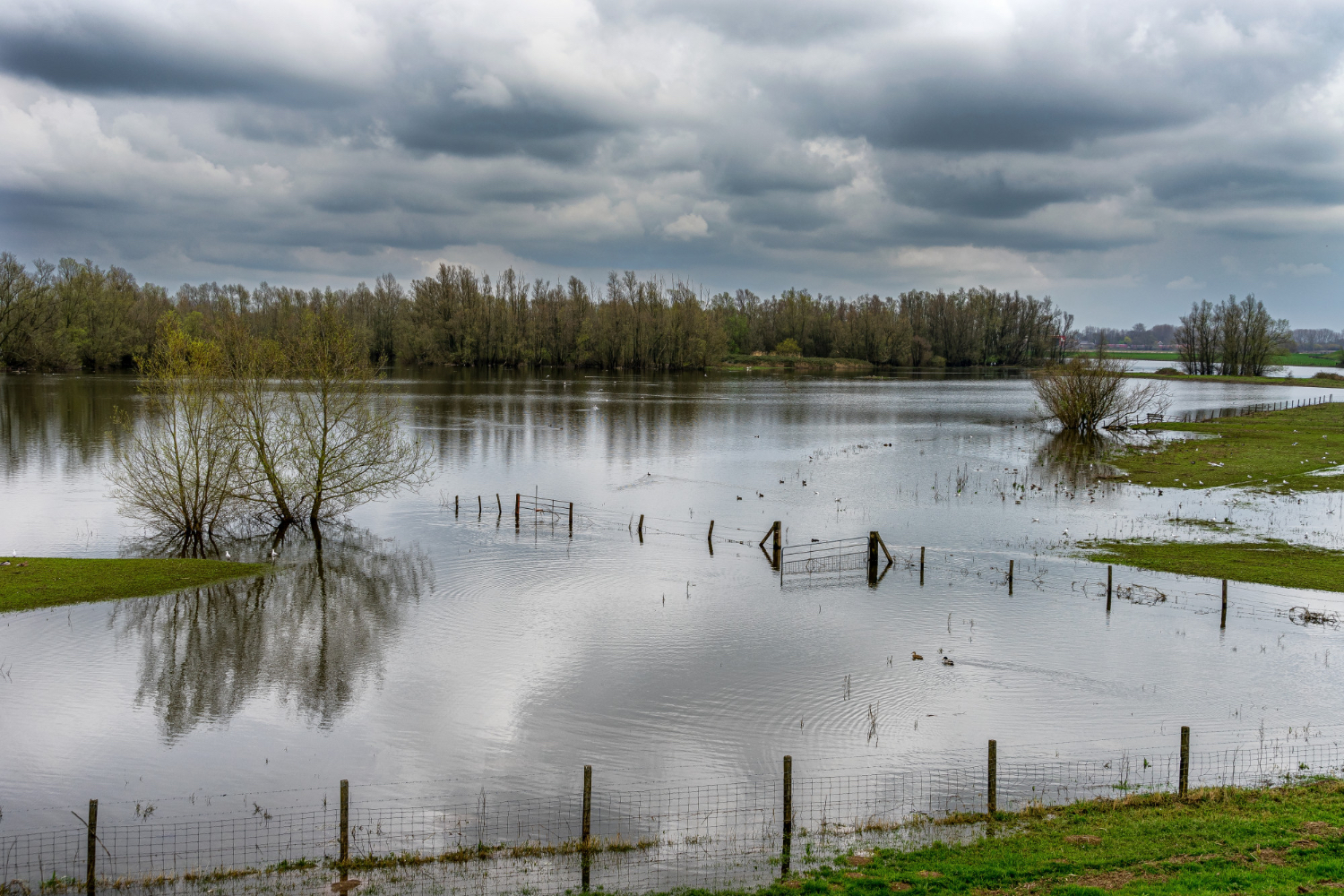
As with many weather patterns, it's all about balance.
How Long Does La Niña Last?
A typical La Niña event lasts between 9 and 12 months, although some can continue for two consecutive years or even longer.
Scientists monitor ocean temperatures constantly because La Niña usually develops gradually, allowing forecasters to spot it months before its peak effects are felt.
How Is It Different From El Niño?
If you've heard of El Niño, think of La Niña as its opposite.
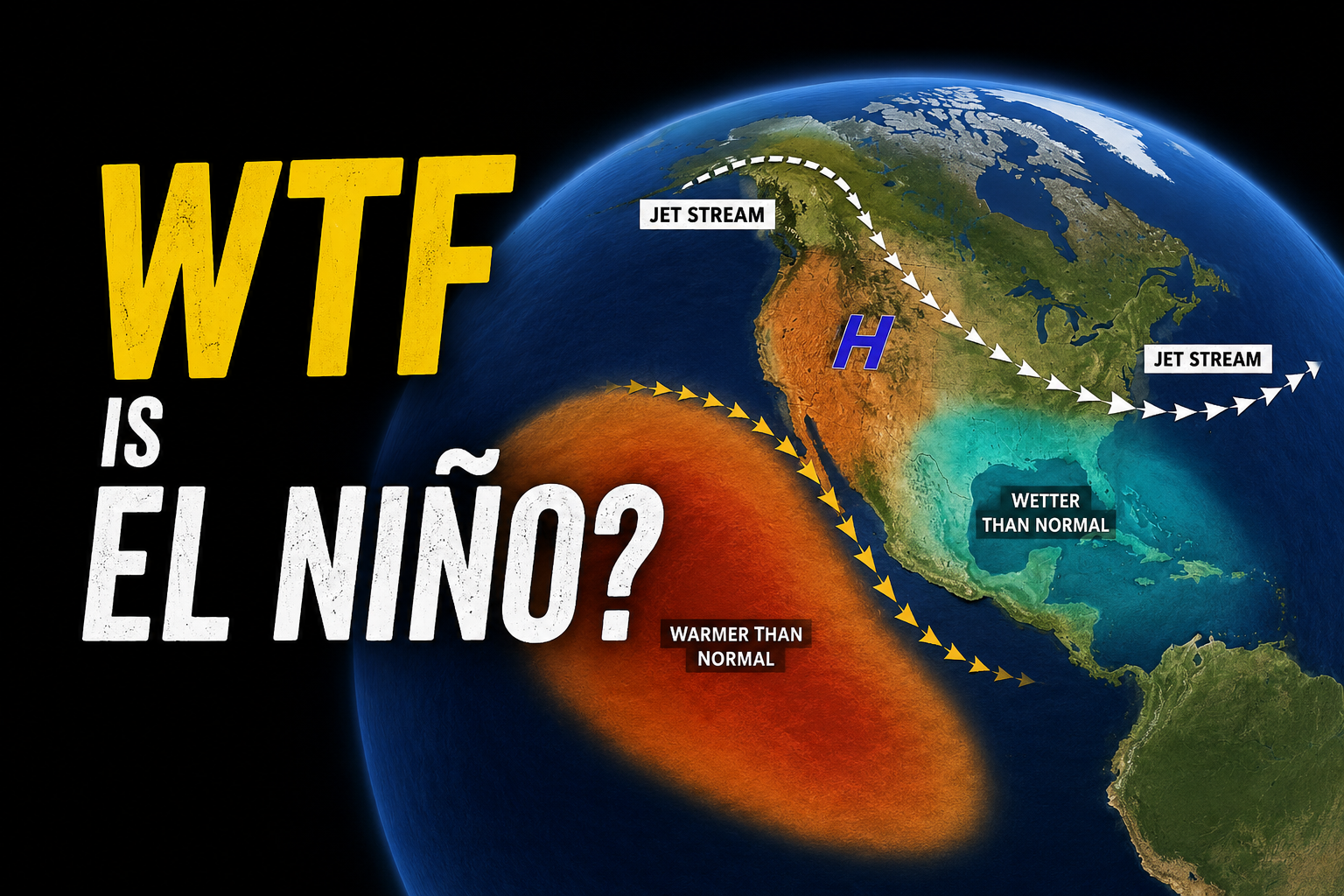
During El Niño, Pacific Ocean waters become warmer than average, which often increases the likelihood of hotter and drier conditions across much of South Africa.
During La Niña, those same waters become cooler than average, increasing the chances of wetter weather across many parts of the country.
Both are part of a natural cycle known as the El Niño–Southern Oscillation (ENSO), one of the most important drivers of Earth's climate.
La Niña isn't a storm or a weather system you can see on a weather map. It's a large-scale climate pattern that quietly shifts the odds in favour of wetter conditions across much of South Africa.
While it doesn't guarantee rain every day, it can significantly influence how our summer unfolds. That's why meteorologists around the world closely monitor Pacific Ocean temperatures, they often provide one of the earliest clues about the season ahead.
If you start hearing forecasters mention La Niña, you'll know they're talking about one of the planet's most powerful climate patterns, and one that can have a big impact on the weather right here at home.