The Panama Canal Is Running Out of Water
The Panama Canal is being forced to cut the number of ships it can handle as drought and a strengthening El Niño reduce the water available to operate its locks. With around 5% of global trade passing through the canal, a weather pattern thousands of kilometres away is now threatening to disrupt global shipping.
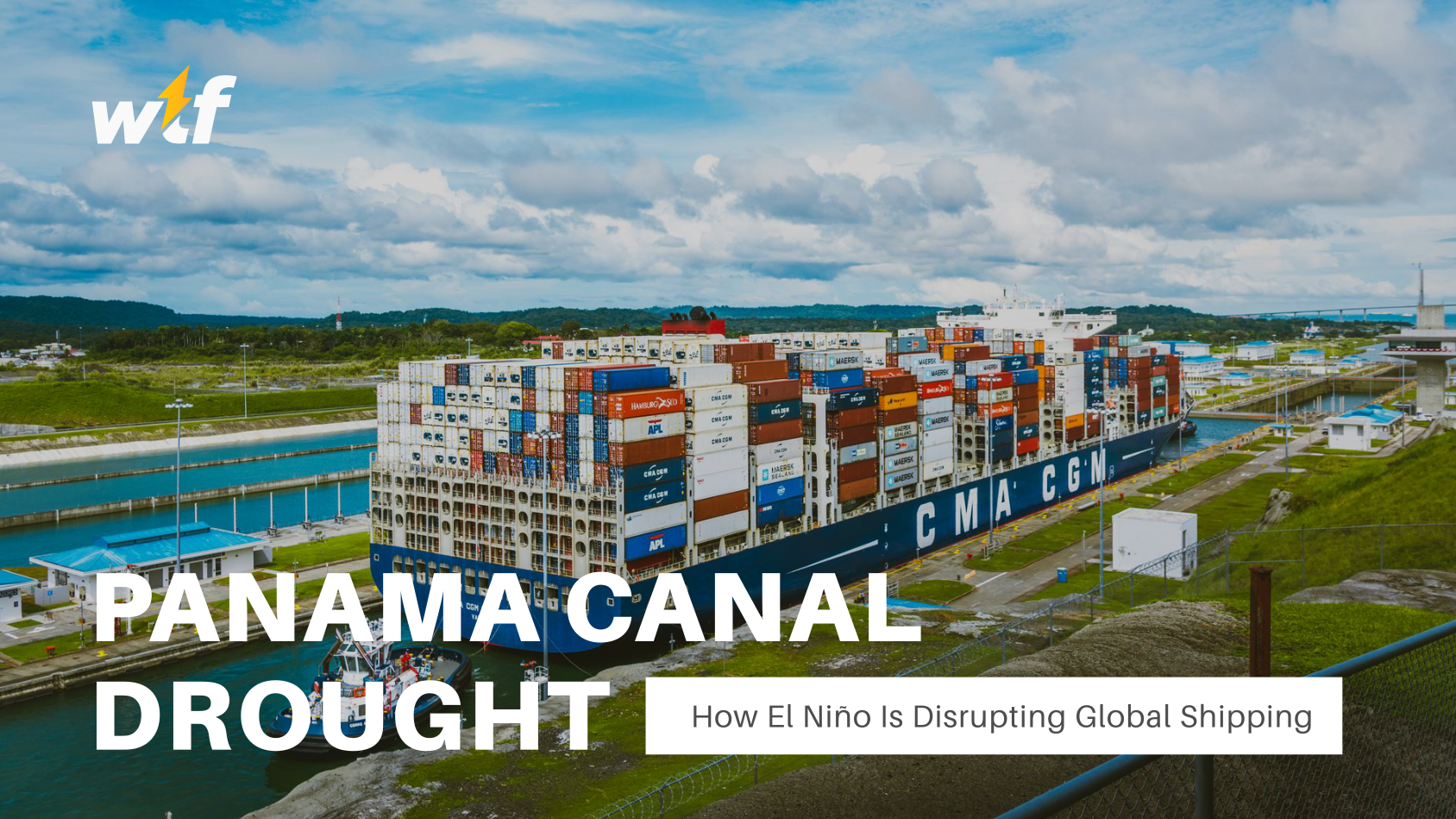
The Panama Canal is one of the most important shortcuts in global trade. Stretching roughly 80 kilometres across Panama, it connects the Atlantic and Pacific Oceans and allows ships to avoid sailing thousands of kilometres around the tip of South America.
But the canal has a rather unusual dependency: it needs enormous amounts of freshwater to function. Right now, that water is becoming a problem.
The Panama Canal Authority is cutting the number of ships allowed through the waterway as rainfall across the canal's watershed falls below expectations. From 15 September, the number of available Panamax transit slots has been reduced, with further reductions planned as the water situation develops. The authority has warned that lower numbers of daily transits can mean longer waiting times for ships without reservations.
The Panama Canal doesn't simply cut through the land between two oceans. Ships have to be lifted roughly 26 metres above sea level to cross the Continental Divide before being lowered again on the other side.That is where Gatún Lake comes in.
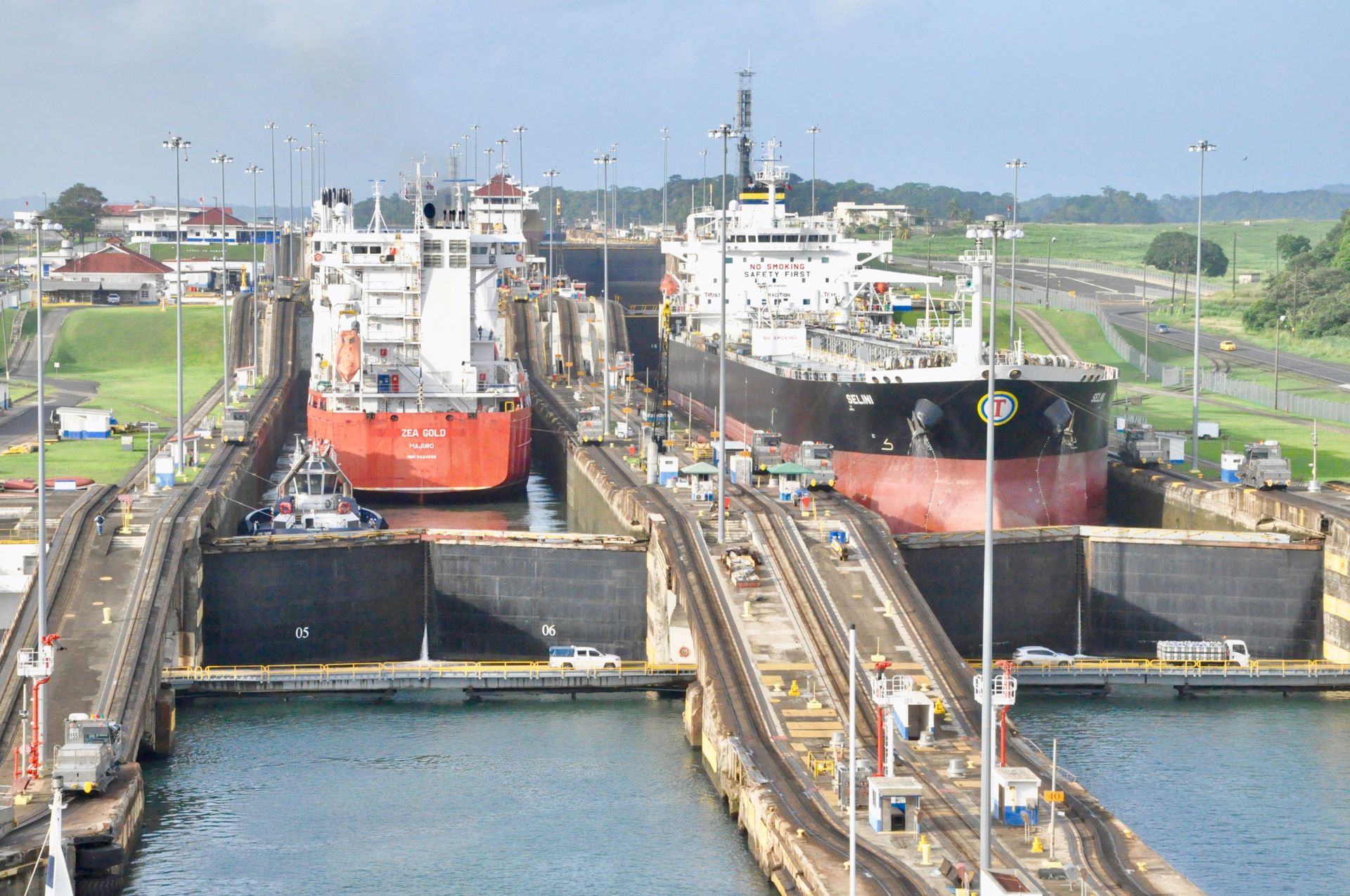
The huge artificial lake supplies the freshwater used by the canal's lock system. When a ship enters a lock, water from the lake flows into the chamber and raises the vessel. Once the ship reaches the next level, the process is repeated until it reaches Gatún Lake, before the ship is eventually lowered back towards sea level on the opposite side.
There is no giant pump doing all the work. The Canal Authority says the system relies on gravity, with water flowing from Gatún Lake through the locks.
The amount of water involved is enormous. According to the Panama Canal Authority, a vessel transiting the canal uses around 52 million gallons of freshwater in a single transit.
That's roughly 197 million litres of freshwater every time a ship makes the journey.
So when rainfall drops, the problem isn't simply that Panama becomes a little drier.
There is less water available to move the ships.
The reason is a strengthening El Niño.
El Niño is a natural climate phenomenon that occurs when unusually warm water develops across parts of the tropical Pacific Ocean. The resulting changes in atmospheric circulation can shift rainfall patterns far beyond the Pacific itself.
This time around, the consequences are already being felt in Central America.
The Panama Canal Authority has been preparing for the event since late 2025, introducing water-saving measures and closely monitoring the levels of Gatún and Alhajuela lakes. Despite those preparations, rainfall in the canal watershed has fallen below expectations, forcing further operational changes.
This is particularly concerning because Panama normally enters its rainy season around May. Instead, the canal is having to conserve water while the rainy season is failing to provide as much of a buffer as expected.
And the problem isn't only about ships. The same water is needed by people.
The freshwater stored in the canal watershed has another extremely important job: supplying communities in Panama.
The canal's reservoirs provide water for roughly 2.5 million people, meaning authorities have to balance the needs of international shipping with the needs of the population.
Every ship that passes through the locks requires water. But that same water is a resource that Panama needs to preserve for drinking, industry and the months ahead.
The Canal Authority has already introduced a range of measures to squeeze more efficiency out of every drop, including water-saving basins, modified lock operations, tandem lockages and recycling water between lock chambers.
It has also reduced the maximum draft allowed for some of the largest ships, meaning vessels may have to carry less cargo when water levels are too low.
Why should the rest of the world care?
Because the Panama Canal isn't just a piece of infrastructure sitting in Central America.
It is a critical artery for international trade.
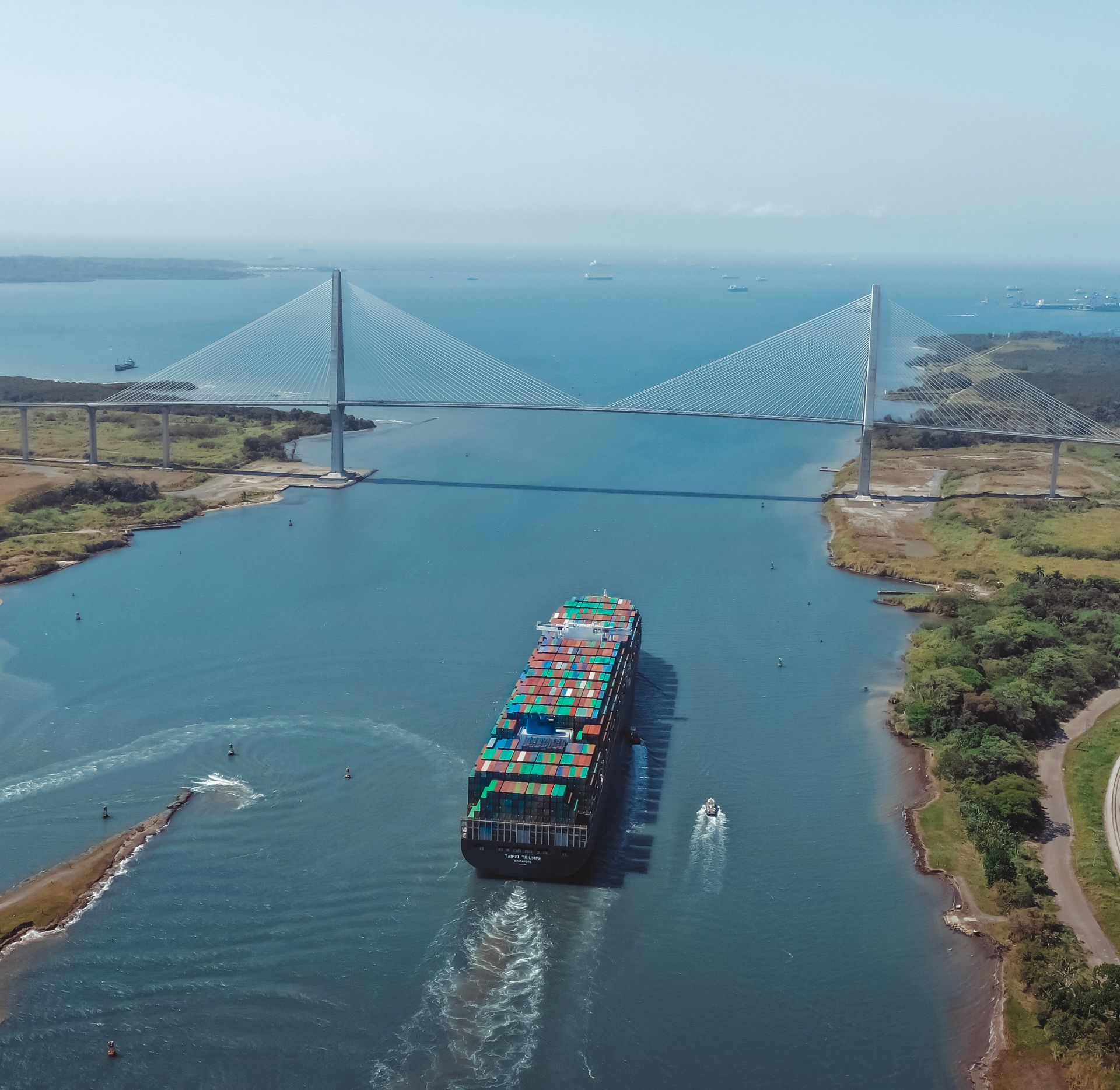
The Canal Authority says approximately 5% of global trade passes through the waterway, connecting more than 160 countries and around 1,700 ports. More than 70% of the cargo moving through the canal either originates in or is destined for the United States.
When the number of ships that can pass through falls, the effects can spread far beyond Panama.
Ships can be forced to wait for available slots, pay more for priority passage, reduce their cargo or take much longer alternative routes. During the previous major drought in 2023–24, restrictions became severe enough that daily transit numbers fell dramatically, creating significant disruption for global shipping. The current restrictions are a reminder of just how vulnerable the canal is to prolonged changes in rainfall, and alternative routes aren't exactly convenient.
A ship travelling between the Pacific and Atlantic can instead sail around the southern tip of South America or take another long route, adding thousands of kilometres and considerably more time and fuel to the journey.
What's happening in Panama also highlights something increasingly important about weather and infrastructure.
The Panama Canal was designed around a particular water supply. But climate conditions don't always stick to the averages that infrastructure was designed around.
El Niño is a natural phenomenon, but the canal is also dealing with longer-term pressures from rising temperatures, changing rainfall patterns, evaporation and growing demand for freshwater.
Research has found that climate change could make disruptive low-water conditions more common in the Panama Canal watershed, increasing the challenge of keeping the waterway operating reliably.
Panama is therefore looking beyond short-term water restrictions. The Canal Authority is developing plans including the proposed Río Indio water project, which would provide additional storage and help secure water supplies for both the canal and surrounding communities. For now, though, the immediate issue is much simpler.
There isn't enough rain falling where the Panama Canal needs it.
And as El Niño strengthens, a weather pattern that began with unusually warm water in the Pacific is now affecting how many ships can cross one of the world's most important waterways. It's a pretty good reminder that weather doesn't stop at national borders.
Sometimes, it reaches all the way into the global supply chain.
Could South Africa Feel the Ripple Effect?
For South Africa, the Panama Canal's water shortage is unlikely to have a major direct impact on our own trade. The important point is that ships affected by Panama restrictions don't simply all turn towards the Cape of Good Hope. For many routes, particularly between Asia and the eastern United States, alternative routes around the southern tip of South America, through the Drake Passage or Strait of Magellan , are more practical.
But South Africa still has a role in this increasingly complicated shipping picture.
The Cape of Good Hope has already become an important alternative route for vessels avoiding other global chokepoints. Disruptions around the Red Sea and Suez Canal, as well as the severe reduction in traffic through the Strait of Hormuz, have pushed more ships onto the much longer route around southern Africa. Shipping companies have been diverting vessels around the Cape, with African bunkering and port facilities benefiting from the additional traffic.
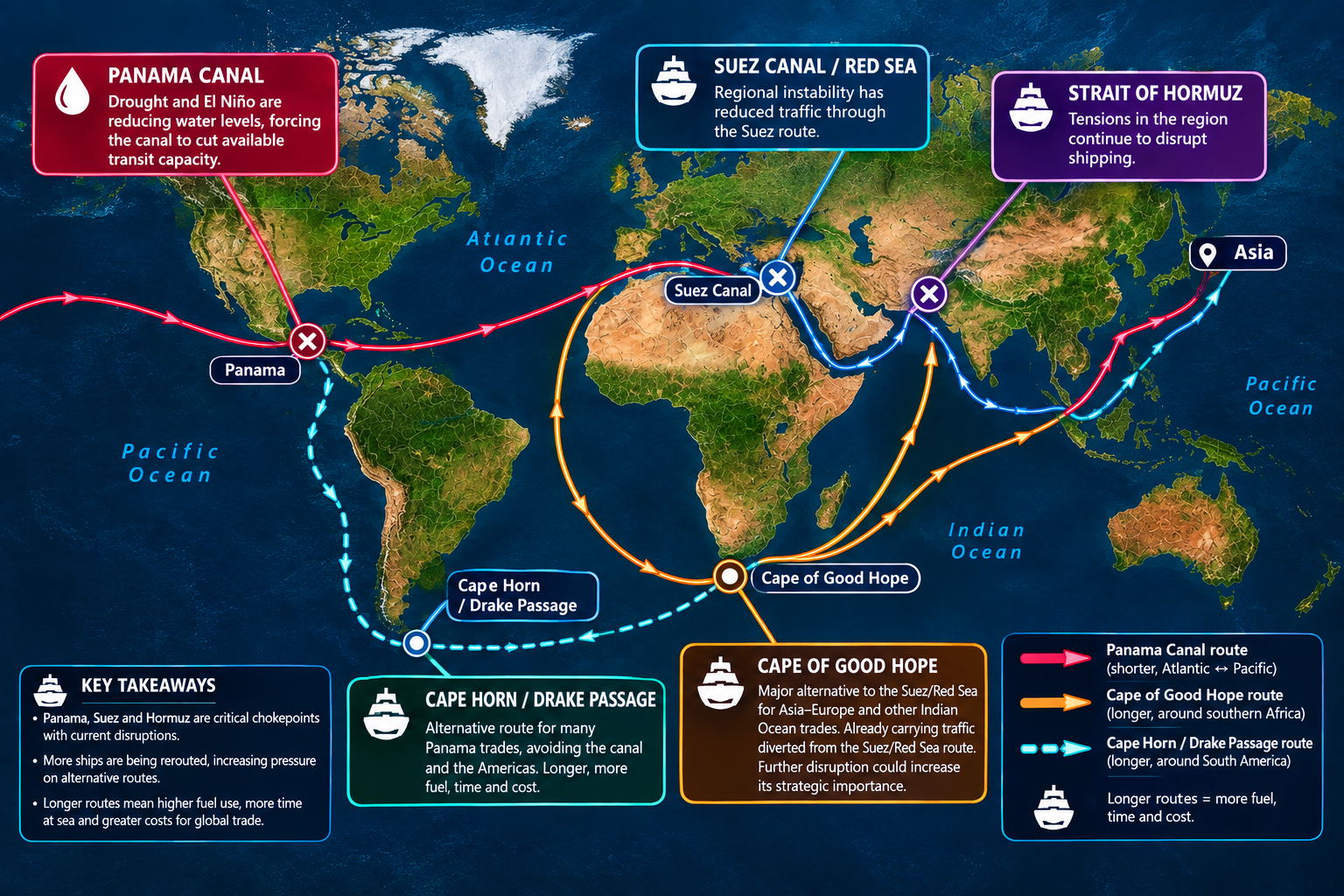
That means the Panama Canal drought is arriving at a particularly awkward time for global shipping. Several major maritime routes are facing pressure simultaneously, although for very different reasons.
A restriction in Panama can mean longer alternative journeys, delays and higher shipping costs for affected cargoes. At the same time, continued disruption elsewhere can increase the amount of traffic using the Cape route. The result is a global shipping network having to continually find new ways around its bottlenecks.
For South Africa, the effects would most likely be indirect. Longer shipping routes can mean higher fuel, insurance and operating costs, and those costs can eventually filter through international freight prices and, in some cases, the price of imported goods.
So while a drought thousands of kilometres away in Panama isn't going to suddenly reroute every ship past Cape Town, it is another example of how weather and climate can put pressure on the infrastructure that keeps global trade moving.