Napal Hit With More Landslides
Heavy rain has triggered hundreds of landslides across Nepal, damaging roads and bridges, isolating communities and disrupting trekking routes. Here's what's happening, and why the mountains are so vulnerable.
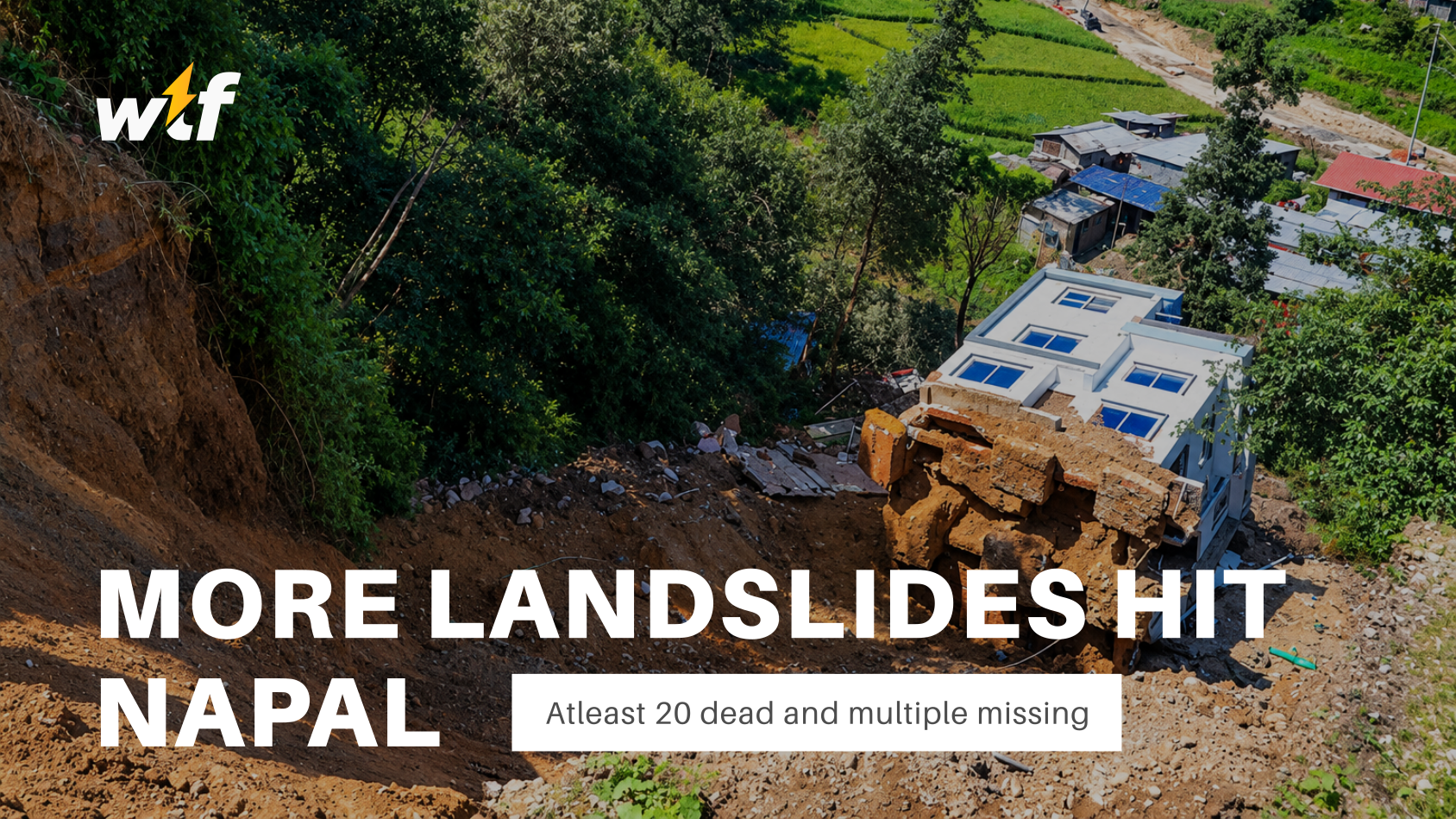
Nepal is dealing with another round of dangerous weather, with heavy rain triggering hundreds of landslides across the country and leaving communities, roads and mountain trekking routes severely disrupted.
The latest disaster comes just weeks after devastating floods affected large parts of Nepal, meaning many communities are now dealing with another round of destruction before they have even had a chance to recover.
Between 24 and 27 September, Nepal recorded 542 rain-related disaster incidents, including 304 landslides, according to the country’s National Disaster Risk Reduction and Management Authority. At least 20 people were killed in landslides during that four-day period, while several others were reported missing.
The rainfall behind the damage has been substantial.
More than 100 mm of rain was recorded at 186 monitoring stations during those four days. Some locations received dramatically more, including more than 500 mm of rain. Dedhgaun in Nawalparasi East recorded 544.2 mm, while Panchase in Kaski received 500.2 mm.
That is an enormous amount of water to fall on already steep terrain.
So, WTF causes so many landslides in Nepal?
Nepal's geography plays a major role.
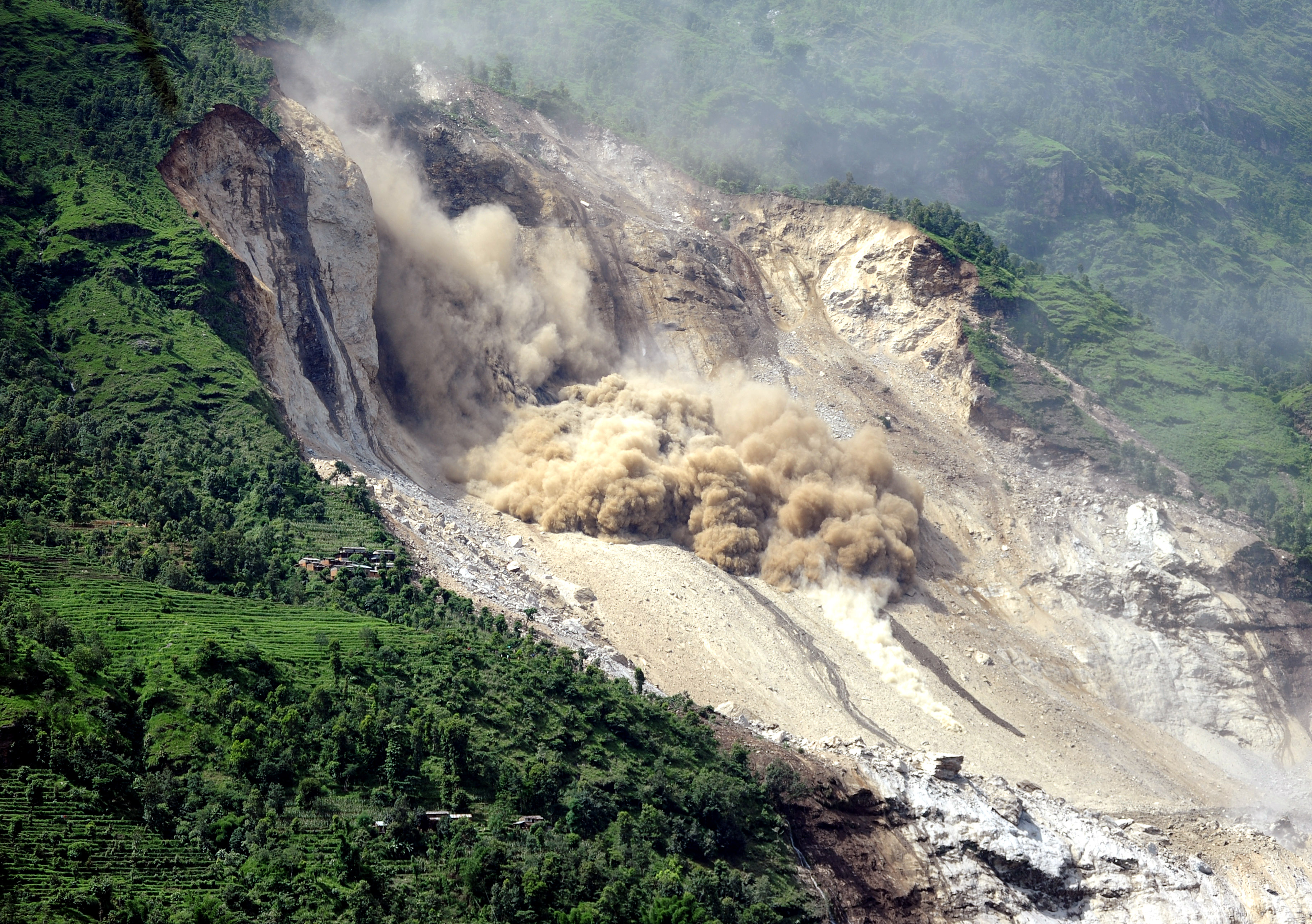
Much of the country is mountainous, with extremely steep slopes and deep valleys. When intense rainfall soaks into the ground, it can increase the weight of the soil while reducing the strength that holds layers of earth and rock together.
Eventually, gravity wins. A slope can suddenly give way, sending mud, rocks, trees and enormous amounts of debris downhill. Once a landslide starts, it can also block roads and rivers, creating another hazard altogether. And that's exactly what has been happening in parts of Nepal.
Landslides have damaged roads and bridges and cut off communities, while some have partially blocked rivers. In Chame in Manang district, a landslide affected the Marsyangdi River and created a temporary lake, raising concerns about water and debris suddenly being released downstream.
The mountains are becoming increasingly difficult to navigate
The damage isn't limited to homes and infrastructure.
Nepal's famous trekking routes have also been badly affected. Hundreds of trekkers travelling in the Annapurna region have had to abandon their journeys or find alternative ways out after roads and bridges were damaged.
Some trekkers have reported crossing numerous landslides while attempting to return to safety.
For people living in these mountainous areas, however, the situation is considerably more serious. A washed-out road isn't simply an inconvenience. In remote communities, a road or bridge may be the only practical connection to food, medical care, supplies and the outside world.
Some communities have consequently found themselves isolated while rescue teams work to reopen routes.
And then there's the snow
The weather hasn't only been producing rain. Higher elevations have also experienced heavy snowfall and dangerous mountain conditions.
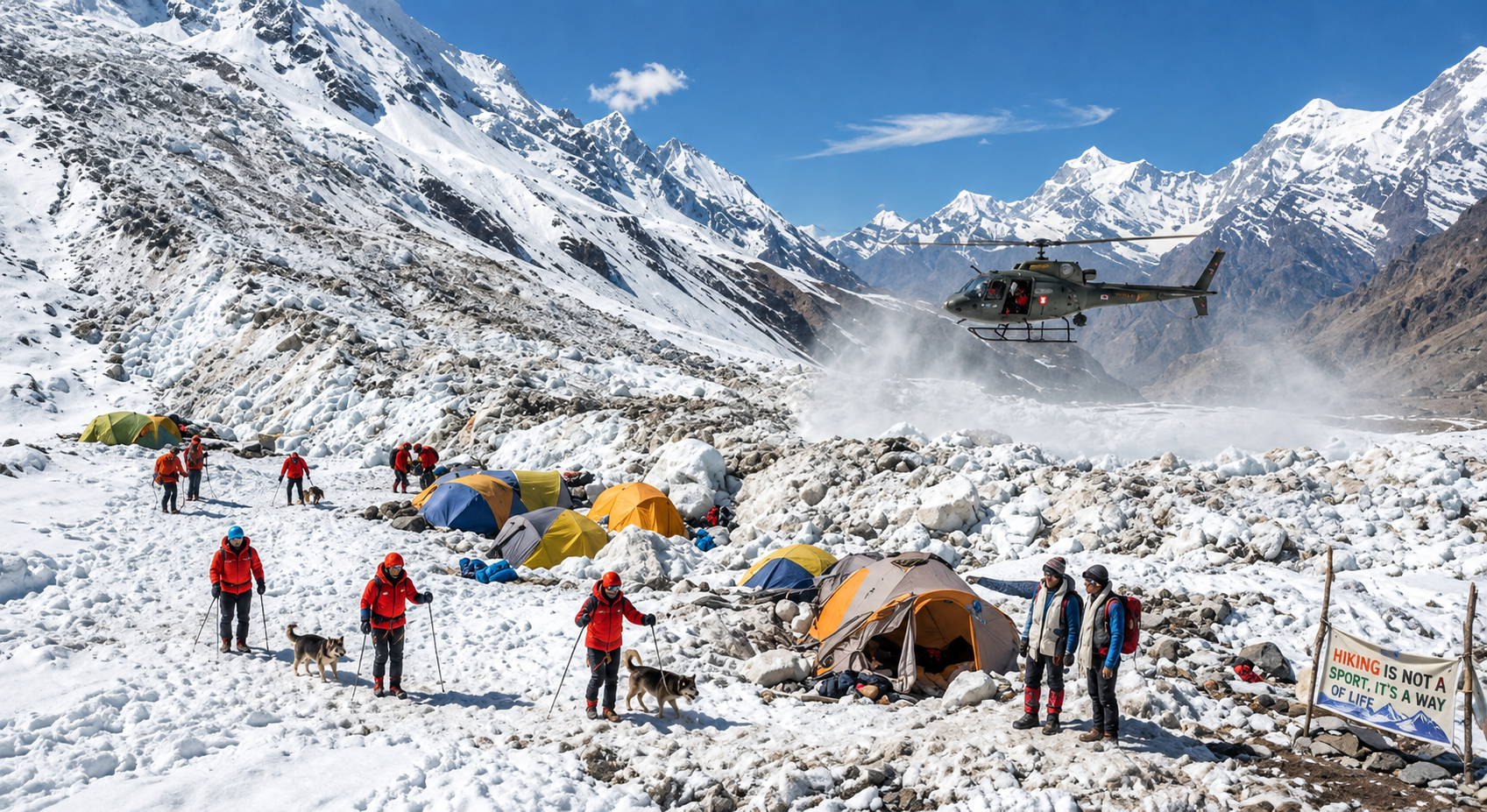
An avalanche struck the base camp of Himlung Himal in Manang on 27 September, killing 15 Nepali workers who were preparing the camp for the upcoming climbing season. One person remained missing after rescuers recovered the bodies. Foreign climbers had not yet arrived at the camp when the avalanche struck.
The incident highlights just how quickly conditions can change in Nepal's mountains.
Lower elevations can be dealing with torrential rain and landslides while higher elevations experience snowfall, avalanches and rapidly deteriorating conditions.
Nepal's latest disasters are a reminder that extreme rainfall becomes particularly dangerous when it meets steep terrain.
Heavy rain doesn't have to produce a catastrophic flood everywhere to be dangerous. In mountainous regions, the same rainfall can destabilize slopes, trigger landslides, block rivers and destroy the roads and bridges that communities rely on.And once a slope has been saturated, the danger doesn't necessarily disappear as soon as the rain stops.
That's because the ground can remain unstable, while debris left behind by landslides can continue to affect rivers and roads.
For Nepal, the challenge is therefore not simply getting through one period of bad weather. It is dealing with the knock-on effects that continue long after the clouds clear. And in the Himalayas, where terrain can be extreme and many communities are difficult to reach, getting people to safety can be just as challenging as dealing with the initial disaster.