How Weather Controls South Africa’s Famous Sardine Run
South Africa’s famous Sardine Run is heavily influenced by winter weather patterns, ocean temperatures and cold fronts. Here’s how changing sea conditions help trigger one of the world’s greatest marine spectacles.
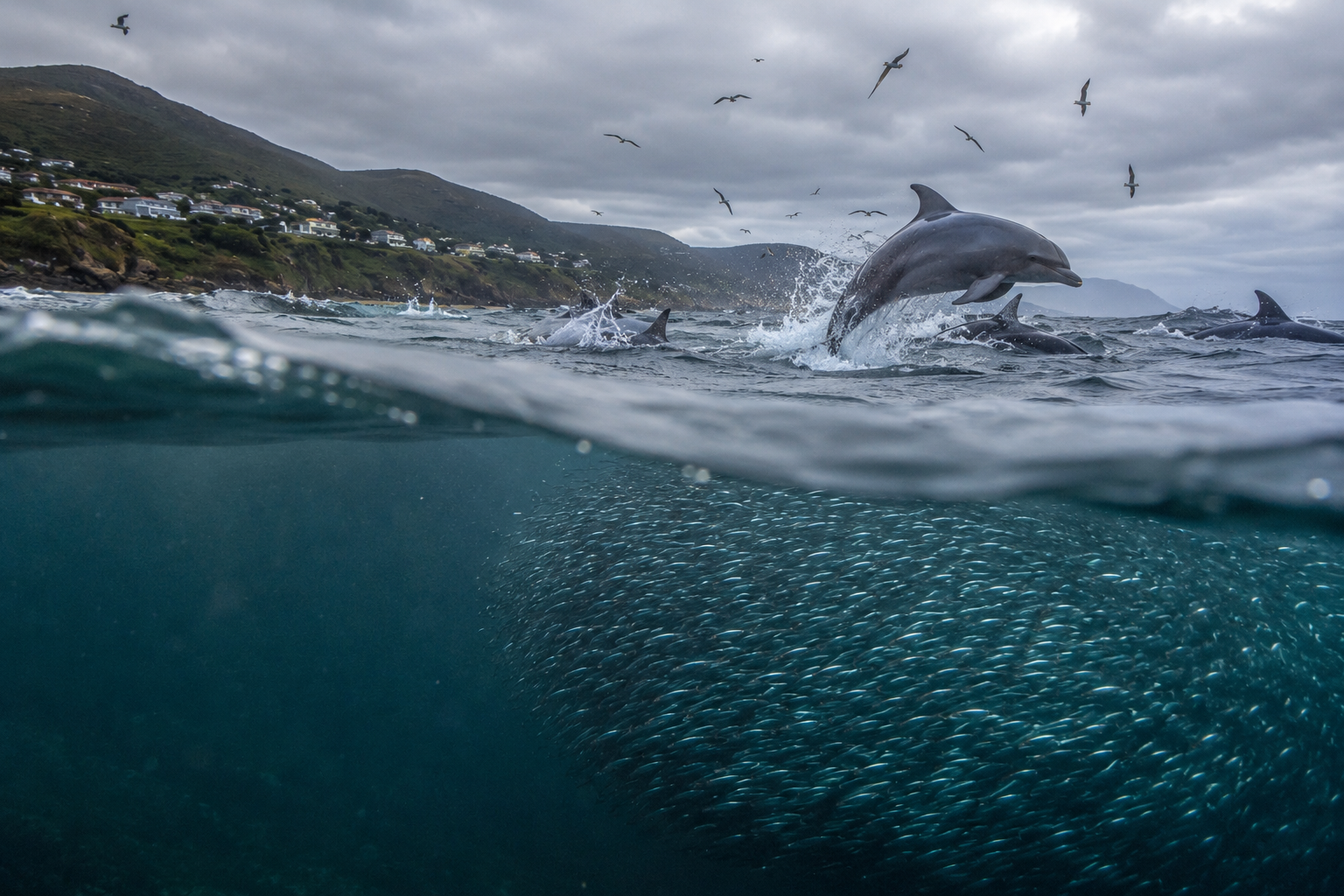
Every winter, one of the world’s greatest natural spectacles unfolds along South Africa’s east coast — the annual Sardine Run. Huge shoals of sardines migrate northward along the coastline, attracting dolphins, sharks, whales, seabirds and thousands of spectators eager to witness the action.
But while the Sardine Run is often described as a marine migration, weather and ocean conditions are actually the driving force behind the phenomenon.
Why the Sardine Run Happens
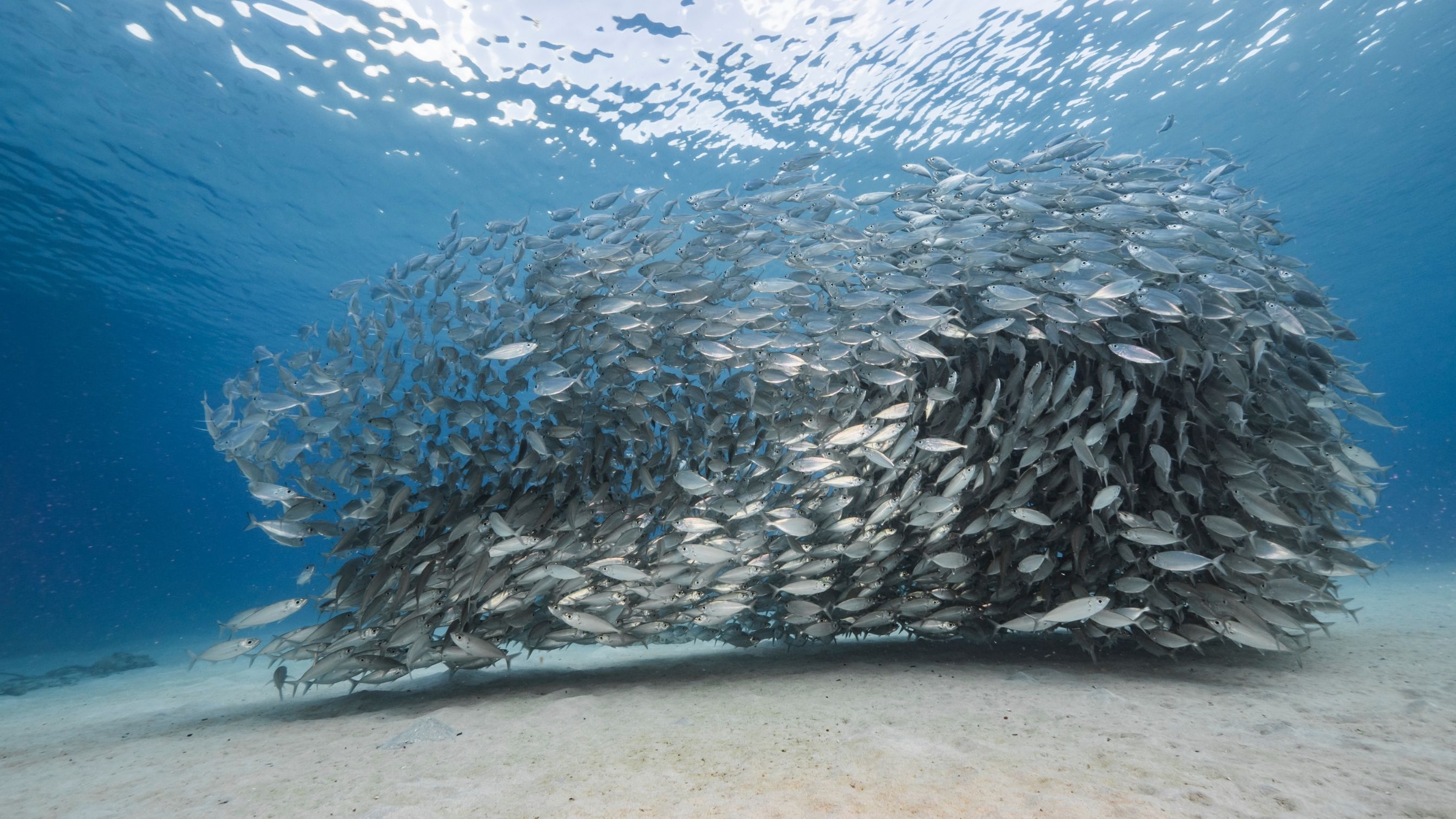
The Sardine Run typically develops between June and July when colder water from the south moves up the coastline. Sardines prefer cooler ocean temperatures, and shifts in weather patterns can create ideal conditions for the shoals to travel closer to shore.
Scientists believe several environmental factors work together to trigger the migration, including:
- Cold ocean temperatures
- Wind direction
- Ocean currents
- Swell conditions
- Coastal upwelling
When these conditions align, massive schools of sardines begin moving north along the Eastern Cape and KwaZulu-Natal coastline.
The Role of Cold Fronts
Cold fronts moving across southern Africa play a major role in the Sardine Run. Strong south-westerly winds behind these fronts help push colder water up the coast, creating the ideal environment for sardines.
This is why marine experts closely monitor winter weather systems during June and July. A strong cold front can rapidly change sea conditions and may even accelerate sardine activity along the coast.
Recent cooler weather and rougher sea conditions along parts of the South African coastline have already sparked speculation that the 2026 Sardine Run could intensify in the coming weeks.
Why Rough Seas Can Be a Good Sign
While stormy weather may seem unfavorable, rough ocean conditions are often linked to increased marine activity during the Sardine Run season.
Larger swells and colder water can concentrate sardine shoals closer to shore, leading to spectacular feeding activity from:
- Dolphins
- Sharks
- Gannets
- Whales
- Game fish
These dramatic “bait ball” events occur when predators trap sardines near the surface, creating scenes often compared to the African savanna’s Great Migration.
Best Places to Watch the Sardine Run
The most active areas are usually along the KwaZulu-Natal South Coast and parts of the Eastern Cape.
Popular viewing locations include:
- Port Edward
- Margate
- Hibberdene
- Port St Johns
- Coffee Bay
Activity can vary from day to day depending on weather and ocean conditions.
What to Expect This Season
With winter conditions strengthening across South Africa, marine observers will be watching closely for signs of increased sardine movement over the coming weeks.
If colder water temperatures continue and more cold fronts develop along the southern coastline, the 2026 Sardine Run could deliver spectacular scenes for coastal communities, tourists and marine wildlife enthusiasts alike.
For now, all eyes remain on the ocean — and the weather systems shaping one of South Africa’s most incredible natural events.