How Heatwaves Affect Your Mental Health
Extreme heat can affect more than your body. Learn how heatwaves can disrupt sleep, affect mood and worsen mental health symptoms.
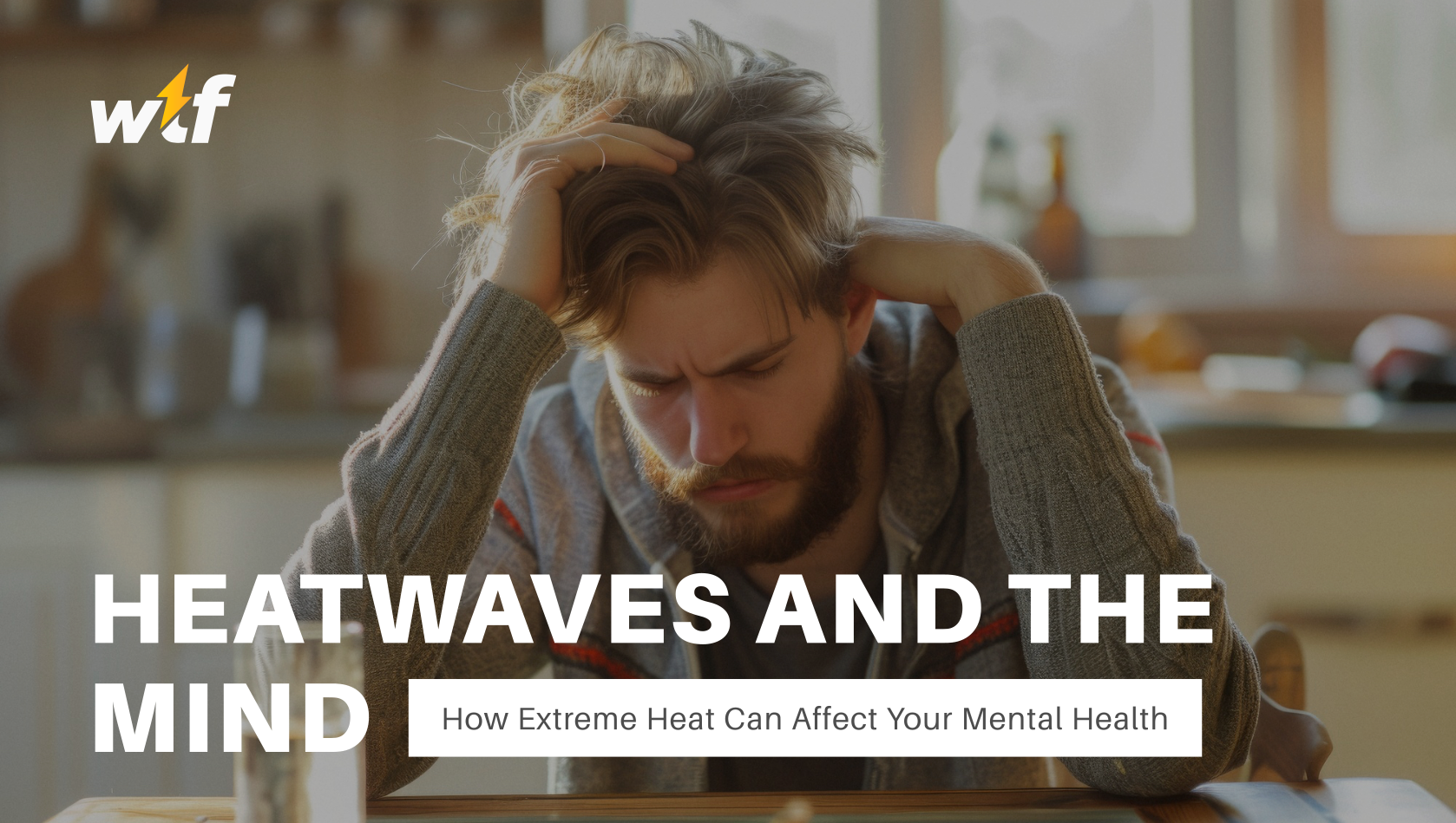
When it heats up outside, your mind feels it too.
When temperatures climb, most of us think about dehydration, sunburn, heat exhaustion and staying hydrated. But extreme heat can affect more than your physical health.
Research has found links between high temperatures and a range of mental-health outcomes, including increased mental-health-related emergency visits and hospital admissions. People who already live with a mental-health condition may also be particularly vulnerable during periods of extreme heat.
So why does a hot day sometimes leave you feeling unusually irritable, exhausted, anxious or simply not yourself?
Why does heat affect your mood?
Your body has to work harder to keep its internal temperature within a safe range when the environment becomes very hot.
Sweating, increased blood flow to the skin and other cooling mechanisms all require your body to work harder. Prolonged heat exposure can lead to fatigue, dehydration and physical stress — all of which can make it harder to cope emotionally.
Heat can also affect the way we behave. When it's uncomfortable to be outside, we may exercise less, socialise less and spend more time indoors. Research looking specifically at how extreme heat affects mental health has identified physical fatigue, psychological stress, reduced activity, disrupted sleep and social isolation as possible pathways.
And sometimes, the simplest explanation is that being extremely hot is just exhausting.
Heat and sleep: a vicious cycle
One of the biggest ways hot weather can affect your mental wellbeing is by disrupting your sleep. High temperatures can make it harder to fall asleep and stay asleep. A hot bedroom can leave you tossing and turning, waking repeatedly or getting less restorative sleep.

After several poor nights, the effects can add up. Sleep deprivation can affect concentration, energy, emotional regulation and your ability to deal with everyday stress. That means a heatwave can potentially create a cycle:
Hot weather → poor sleep → fatigue and irritability → increased stress → even greater difficulty coping with the heat.
If you're already dealing with anxiety, depression or another mental-health condition, losing sleep can make existing symptoms harder to manage.
What does the research say?
The connection between heat and mental health is increasingly being recognized by researchers and health organizations. A systematic review of studies examining high temperatures and mental-health outcomes found increased risks of mental-health-related hospital admissions and emergency-department visits at higher temperatures. The research also identified associations between heat and suicide risk, although the strength of evidence varies between different mental-health outcomes.
More recent research has also found links between extreme temperatures and hospital admissions for mood disorders, with several studies reporting increased emergency-department visits during periods of extreme heat.
The World Health Organization now specifically recognises mental health conditions among the illnesses that can be aggravated by extreme heat.
Importantly, researchers are still working to understand exactly how heat affects mental health. Not every study finds the same effects, and factors such as humidity, duration of the heat, individual health, access to cooling and existing conditions can all make a difference.
Signs that the heat may be affecting you
During a heatwave, it's worth paying attention to changes that might otherwise be dismissed as simply having a "bad day".
These can include:
- Unusual irritability or frustration
- Feeling more anxious or restless
- Low mood
- Unusual tiredness or lack of motivation
- Difficulty concentrating
- Trouble sleeping
- Feeling overwhelmed more easily
- Withdrawing from friends or usual activities
- Changes in your normal coping habits

Some of these symptoms can also be signs of heat-related illness. Headache, weakness, dizziness, confusion and severe fatigue shouldn't simply be written off as stress, particularly after prolonged exposure to high temperatures.
What can you do?
Looking after your mental health during extreme heat starts with looking after your body.
Keep cool
Try to avoid strenuous activity during the hottest part of the day and spend some time somewhere cool if possible. Closing curtains or blinds during the day, using fans where appropriate and allowing cooler night air into your home can also help reduce indoor temperatures.
Stay hydrated
Drink water regularly and pay attention to signs of dehydration. Avoid relying heavily on alcohol during very hot weather, as it can contribute to dehydration and disrupt sleep.
Protect your sleep
If possible, keep your bedroom cool, use light bedding and try to maintain your usual sleep routine. Even small improvements in nighttime temperature can make hot periods easier to manage.
Don't isolate yourself
Extreme heat can make people less likely to leave the house or socialise. Staying connected with friends, family or neighbours can be particularly important if you're already struggling.
The WHO also recommends checking in on people who spend a lot of time alone during hot weather.
Keep taking care of existing conditions
If you already have a mental-health condition, don't assume that worsening symptoms during a heatwave are something you simply have to push through.
Keep following your treatment plan and speak to your doctor or mental-health professional if your symptoms change or become difficult to manage.
Some medications can also affect the body's ability to cope with heat, so if you're taking regular medication, ask your healthcare provider whether there are any additional precautions you should take.
When should you get help?
If you're experiencing severe confusion, fainting, seizures, loss of consciousness or other signs of serious heat illness, seek urgent medical attention. Heatstroke is a medical emergency.
Mental-health symptoms also deserve attention.
If you're experiencing a significant change in your mood, anxiety, sleep or behaviour that persists or becomes difficult to manage, speak to a healthcare professional rather than waiting for the heatwave to pass.
And if you or someone you know is experiencing thoughts of suicide or self-harm, seek help immediately.
In South Africa, the South African Depression and Anxiety Group (SADAG) lists its 24-hour Suicide Crisis Helpline on 0800 567 567 and its Cipla Mental Health Helpline on 0800 456 789.
Extreme heat isn't only a physical health problem.It can interfere with sleep, increase physical and psychological stress, disrupt normal routines and potentially worsen symptoms for people already living with mental-health conditions.
So when the next heatwave arrives, remember that keeping cool isn't just about avoiding heat exhaustion.Looking after your body can also help protect your mind.And if you notice that you're feeling unusually anxious, irritable, exhausted or overwhelmed, don't automatically blame yourself. Sometimes, the weather really can affect how you feel.