As Europe’s Rivers Shrink, the Past Is Emerging
Europe is experiencing a remarkable drought, with rivers and reservoirs reaching exceptionally low levels. But among the worrying signs of water shortages, something much stranger is happening: parts of history that have been hidden underwater for decades are starting to reappear.
There is something strangely fascinating about a drought.
Usually, when we talk about a lack of rain, we think about dry gardens, empty reservoirs, struggling farmers and water restrictions. But across parts of Europe this summer, the water has fallen so far that it is revealing things that have been hidden for decades, and sometimes much longer.
Some of the discoveries are pretty remarkable.
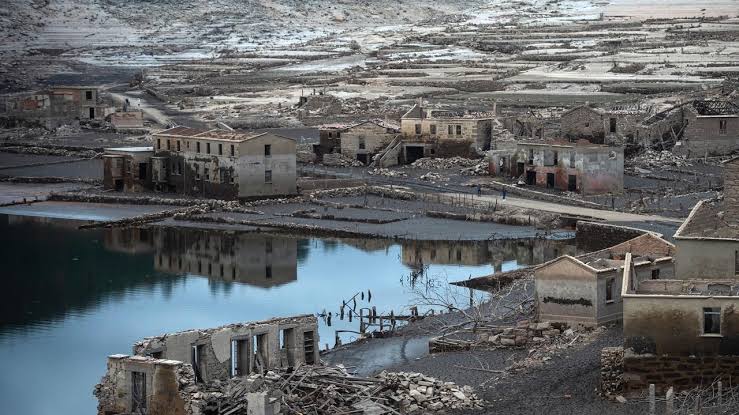
In Spain, a drought has caused the remains of a long-submerged village to reappear from beneath a reservoir. The abandoned settlement, which disappeared underwater when the reservoir was created, has suddenly become visible again as the water retreats. Buildings and other structures that have spent years hidden beneath the surface are once again part of the landscape.
Then there are the bombs.
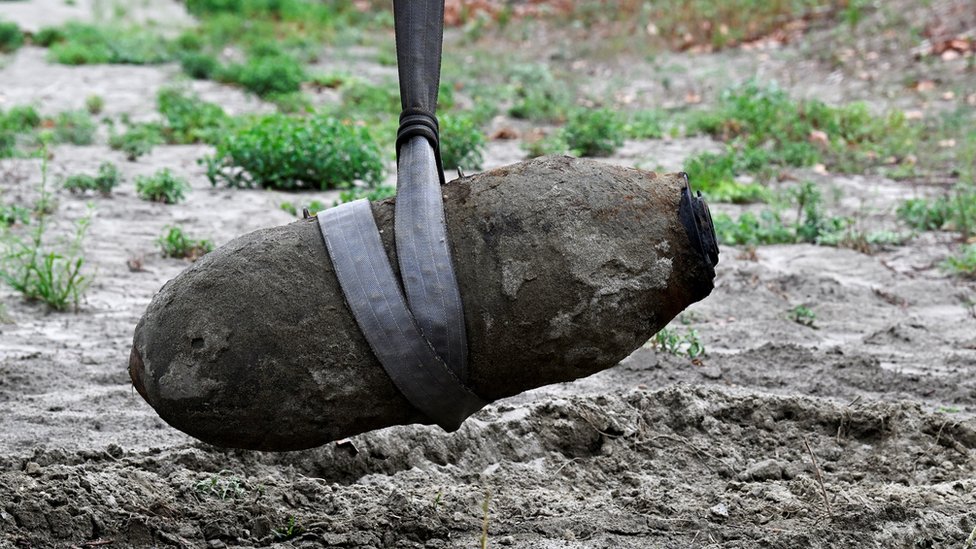
Falling water levels have exposed unexploded wartime bombs and other military remnants that have been sitting beneath European waterways since the conflicts of the 20th century. These aren't just historical curiosities either. Some still have the potential to be dangerous, meaning authorities can suddenly find themselves dealing with weapons that have been hidden underwater for decades.
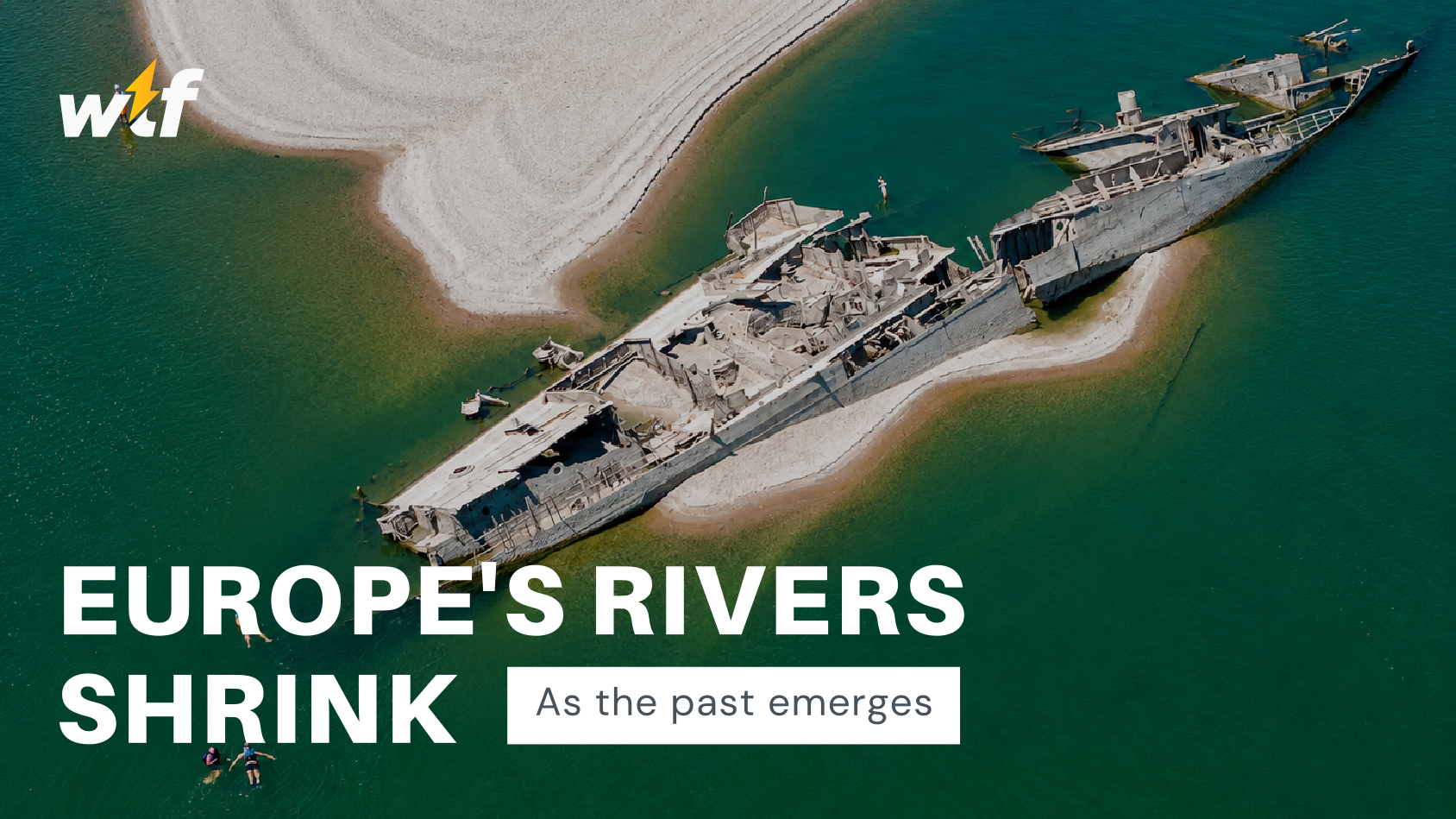
One of the most extraordinary examples is happening along the Danube in Serbia, where exceptionally low water levels have exposed the remains of German World War II warships near the town of Prahovo. The ships were deliberately sunk in 1944 by retreating German forces as the Soviet Army advanced. The idea was to block the Danube and make it difficult for the advancing forces to use the river.
More than 80 years later, those ships are still sitting there.
Normally, the river keeps most of the wrecks hidden. But this year, the combination of drought, low rainfall and extreme heat has pulled the water back far enough for parts of the ships to emerge once again. In some places, their rusting remains are now clearly visible above the surface.
There is also a slightly unsettling side to the discovery. Some of the wrecks may still contain explosives and other dangerous material, meaning that something left behind during World War II is still causing problems for people using the Danube today.
And it isn't just modern history that is being uncovered.
As rivers and reservoirs across Europe continue to fall, old structures and forgotten pieces of the landscape are being exposed. Former river crossings, roads and other remnants of settlements are appearing where there would normally be metres of water.
The Danube has even revealed prehistoric remains, including woolly mammoth bones.
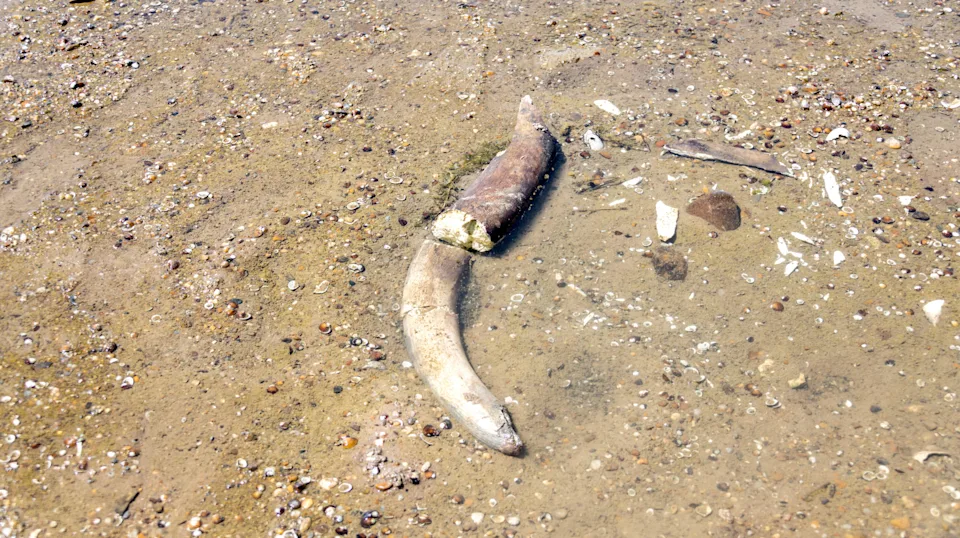
It almost feels as if the rivers are temporarily giving up their secrets.
But while the photographs of these discoveries are fascinating, the reason they are appearing is far less exciting.
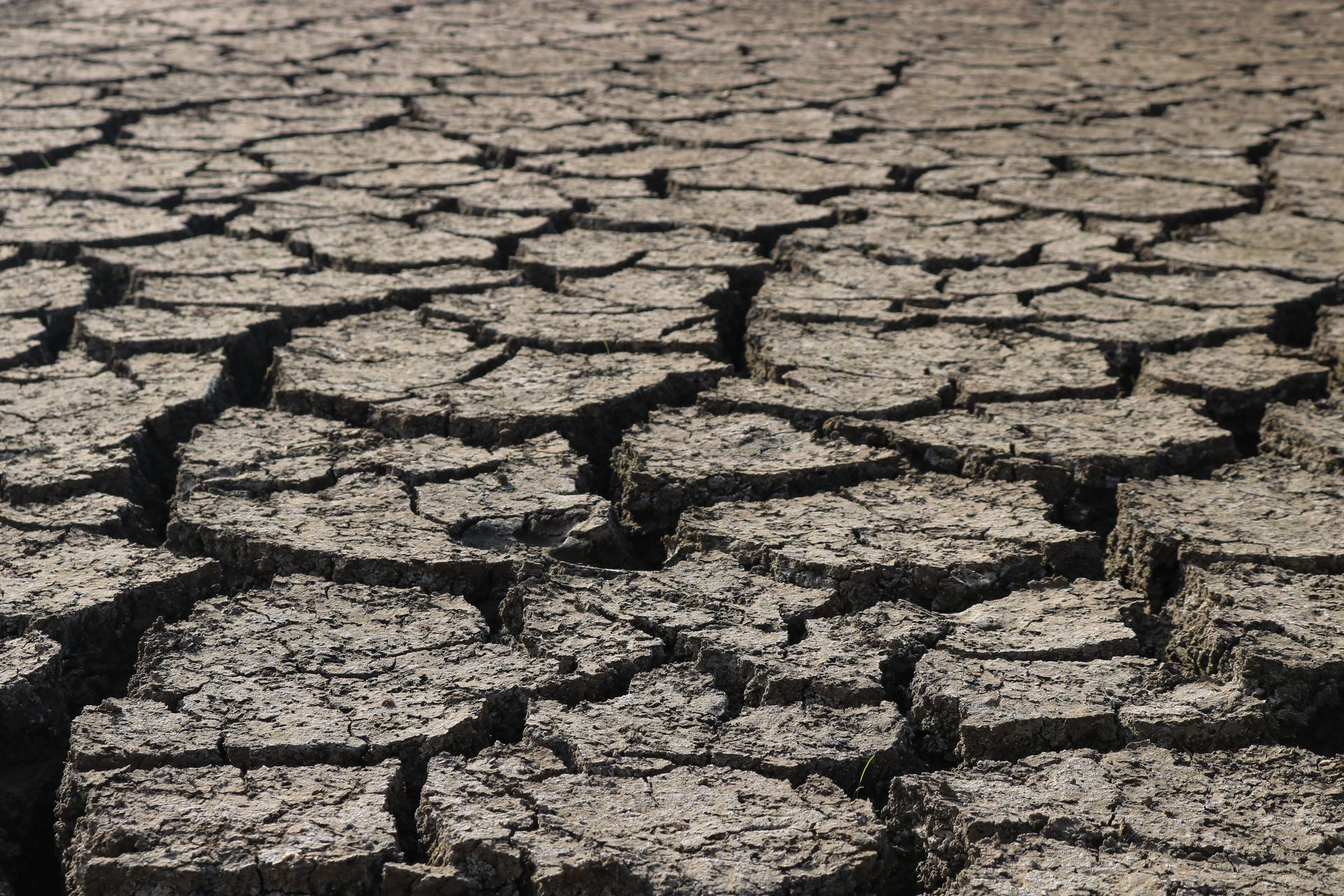
Europe is experiencing a widespread drought, with parts of France, the UK and other countries dealing with exceptionally dry conditions. Rivers are running low, reservoirs are losing water and soils are becoming increasingly dry.
France has been particularly badly affected. Large parts of the country have been placed under water-use restrictions as authorities try to conserve what water remains. England has also been dealing with prolonged dry conditions, with very low rainfall contributing to falling river, reservoir and groundwater levels.
So, is climate change responsible?
The honest answer is that it is complicated.
It would be wrong to say that climate change simply caused this particular drought. Weather patterns still play a huge role. A persistent area of high pressure can prevent rain-bearing systems from reaching a region for an extended period, producing the kind of dry conditions Europe is experiencing now.
But climate change can make those conditions considerably worse.
A warmer atmosphere and hotter land increase evaporation, meaning water is lost from soils, vegetation, rivers and reservoirs more quickly. So even when the lack of rainfall itself isn't entirely unusual, higher temperatures can turn a period of dry weather into a much more serious drought.
Essentially, it isn't just about how much rain falls. It's also about how quickly the water disappears again.
That combination of below-average rainfall and unusually high temperatures is one of the reasons droughts are becoming such an important part of the climate conversation. A warmer world doesn't necessarily mean that every place will simply become drier all the time, but it can increase the risk and severity of certain extreme weather events, including heat and drought in vulnerable regions.
All of these discoveries have something in common. They are being revealed because the water is disappearing. The drought is quite literally changing the landscape. For a brief moment, history that has been hidden beneath the water is coming back into view.
The question is whether extreme heat and prolonged dry periods like this become a more regular feature of Europe's summers.