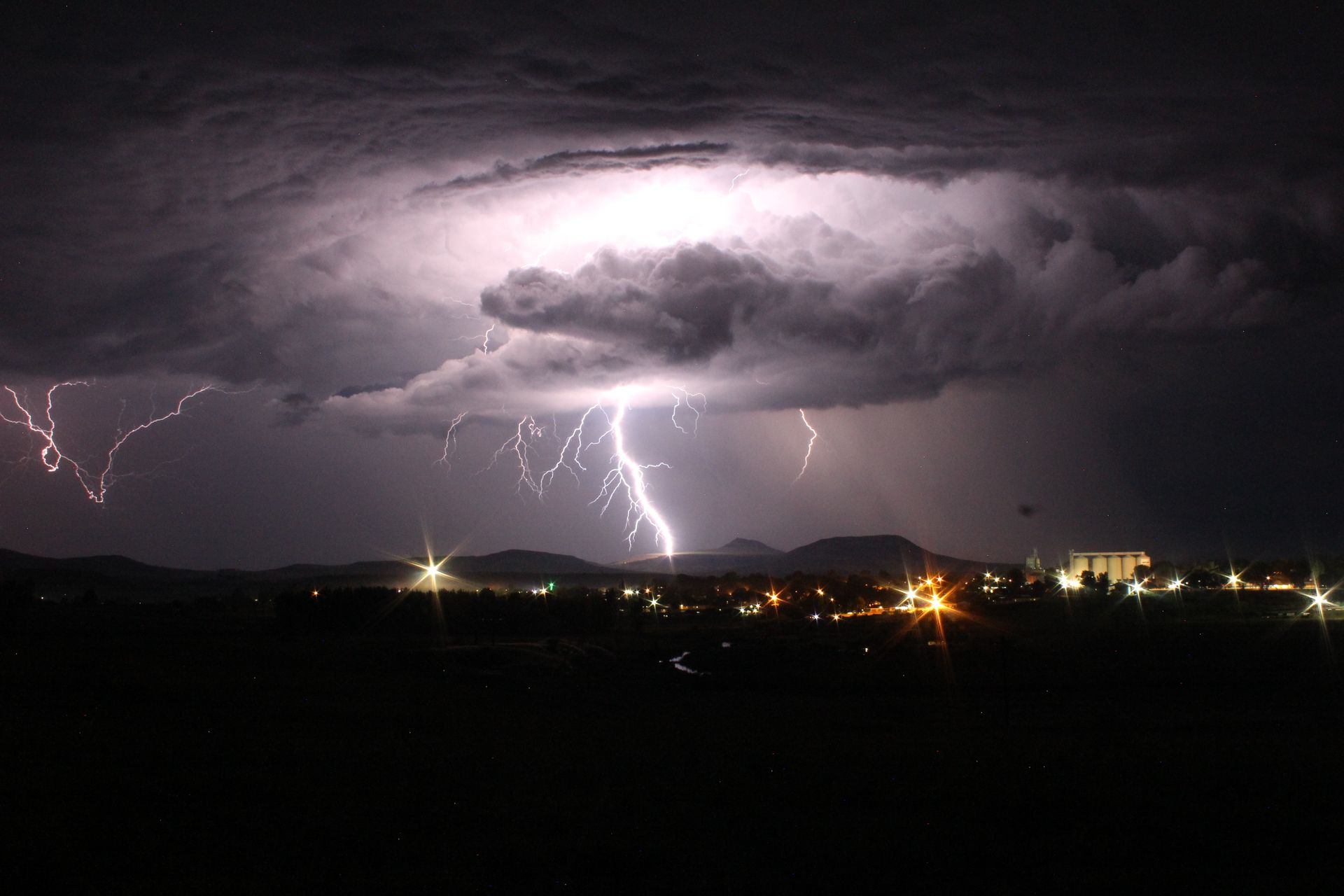
Can Animals Predict the Weather, or Are They Just Making It Up?
Before you check the weather app, maybe you should check the cows, birds or frogs. But can animals really predict the weather, or are we giving them too much credit?
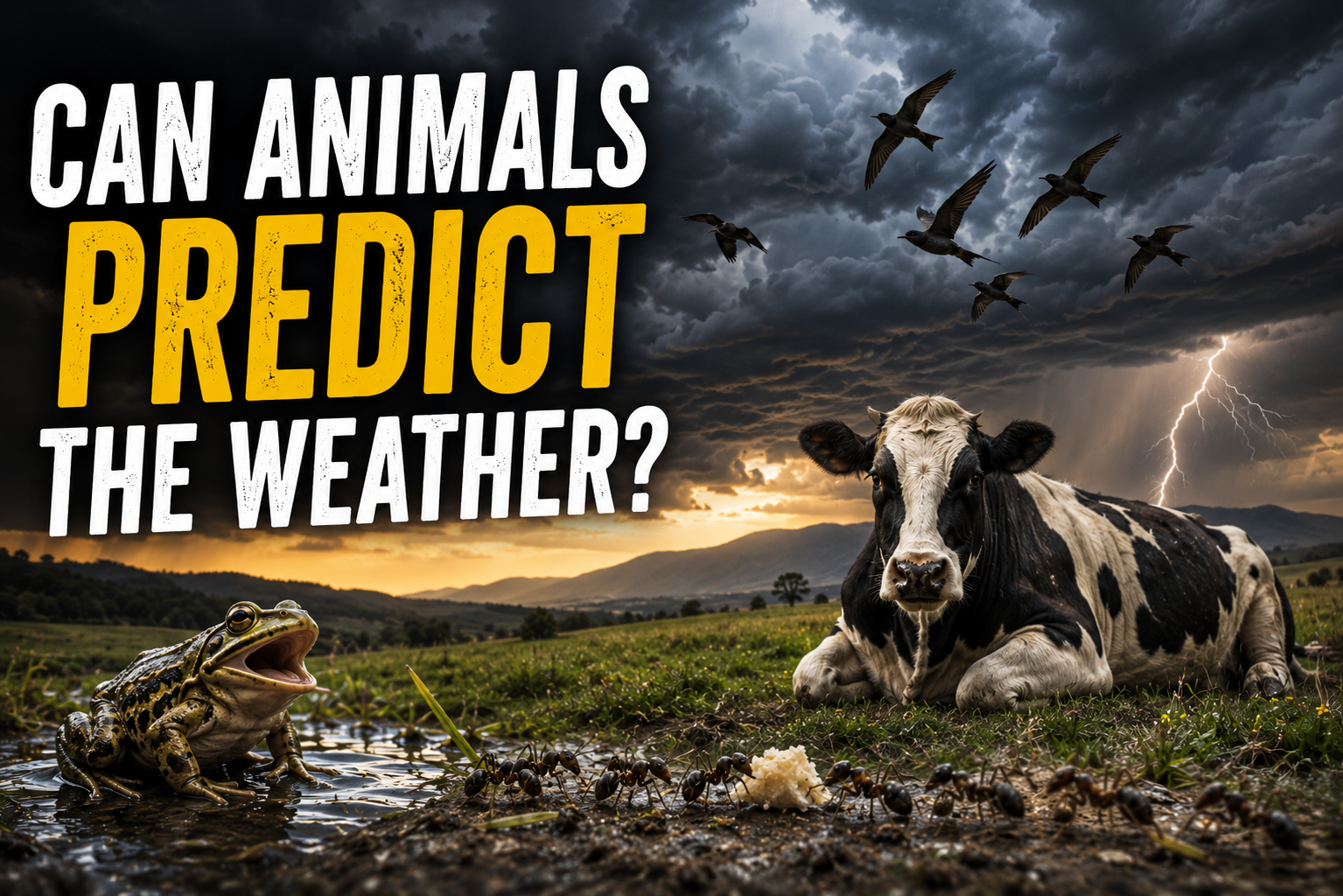
efore weather apps, satellites and Doppler radar, people had to find other ways to figure out what the sky had planned.
Some watched the clouds. Others watched the wind. And some watched the animals.
For generations, people have believed that animals can sense when rain, storms or changes in the seasons are on the way. Farmers and rural communities around the world have developed their own weather folklore based on what they see happening in nature.
Maybe the birds suddenly disappear. Perhaps the frogs start making a racket. The ants become suspiciously busy. Or, according to one of the most famous weather sayings, every cow in the field suddenly decides it is time for a lie-down.
But is there actually any science behind these animal weather forecasters?
The answer is... sometimes.
Animals can be incredibly sensitive to changes in their environment. Some can detect changes in temperature, humidity and atmospheric pressure, while others respond to changes in food availability or their surroundings. That means an animal may react to conditions associated with an approaching weather system before we notice anything different.
But that doesn't necessarily mean your pet has secretly downloaded a weather app.
Let's take a look at some of nature's most famous weather forecasters.
The Cow Forecast: "Rain Is Coming!"
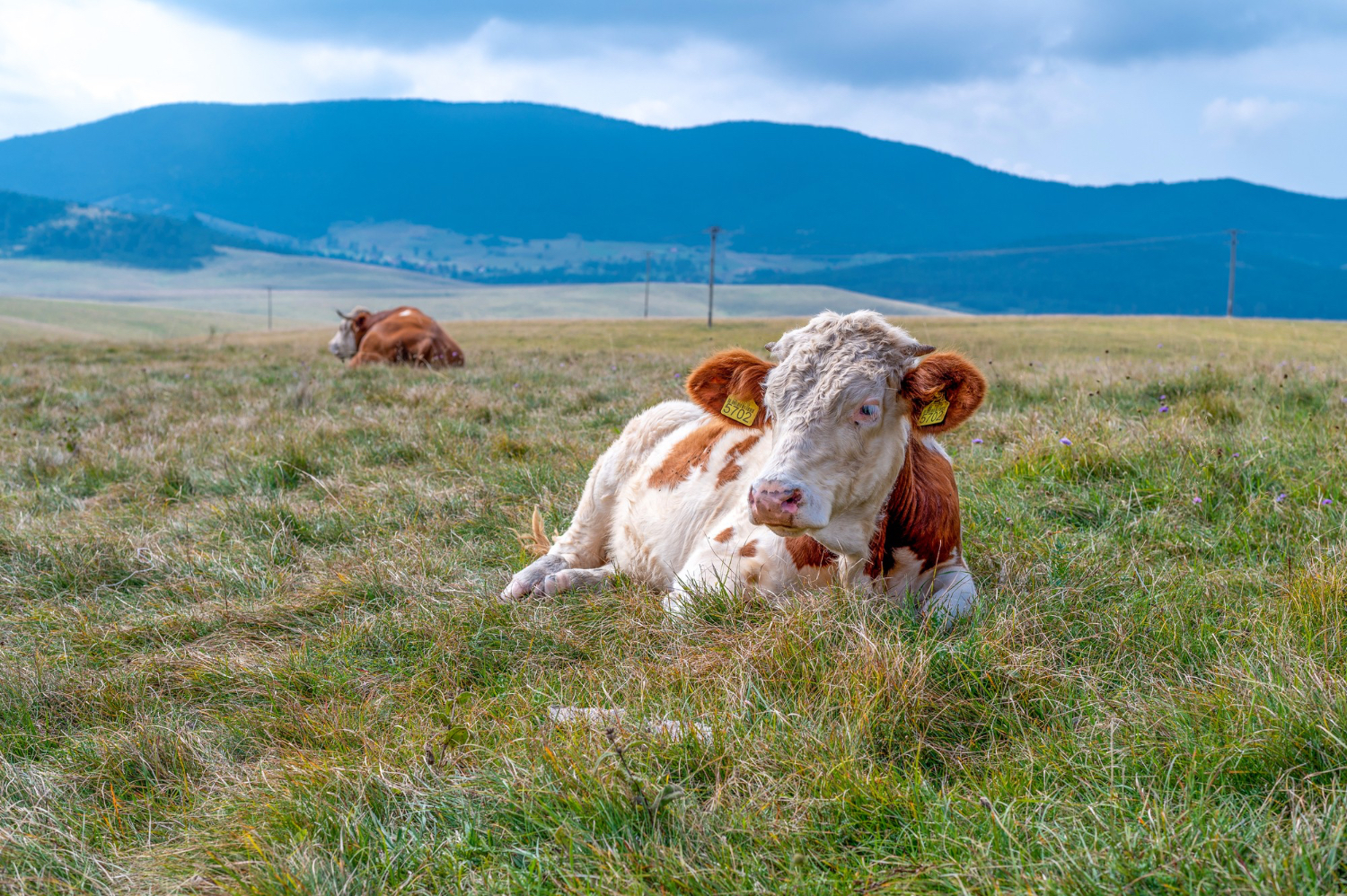
You have probably heard the saying: if cows are lying down, rain is on the way.
It sounds convincing. Picture a field full of cows standing around. Suddenly, they all lie down. Surely they know something we don't?
Well... not necessarily.
There is no solid scientific evidence that cows reliably lie down because rain is approaching. Cows lie down for plenty of perfectly ordinary reasons, including resting and chewing their cud. In fact, research into cattle behaviour has found that weather and ground conditions can influence how much time cows spend lying down, but that is very different from saying they can reliably predict rain.
WTF Verdict: Mostly folklore.
So, if you see a cow lying down, you probably don't need to cancel your picnic just yet.
Unless, of course, all the cows are doing it.
Then maybe check the forecast.
Birds: Nature's Tiny Meteorologists?
Birds have a much stronger case.

Many bird species respond to changes in weather and environmental conditions. Some studies suggest that certain birds can detect changes in atmospheric pressure and may alter their behaviour before severe weather arrives. Research has even documented birds changing their movements ahead of storms.
Birds are also used in traditional weather knowledge around the world. In parts of South Africa, for example, observations of birds and their behaviour have historically been used by farming communities as clues about upcoming rainfall and seasonal changes.
So, when birds suddenly disappear before a storm, they may not be predicting the weather in the way a meteorologist does. They could simply be responding to environmental signals that tell them conditions are about to become less than ideal.
In other words, the birds might not know exactly what's coming.
They just know they don't want to be outside when it happens.
WTF Verdict: There is some science behind this one.
Frogs: The Original Rain Influencers
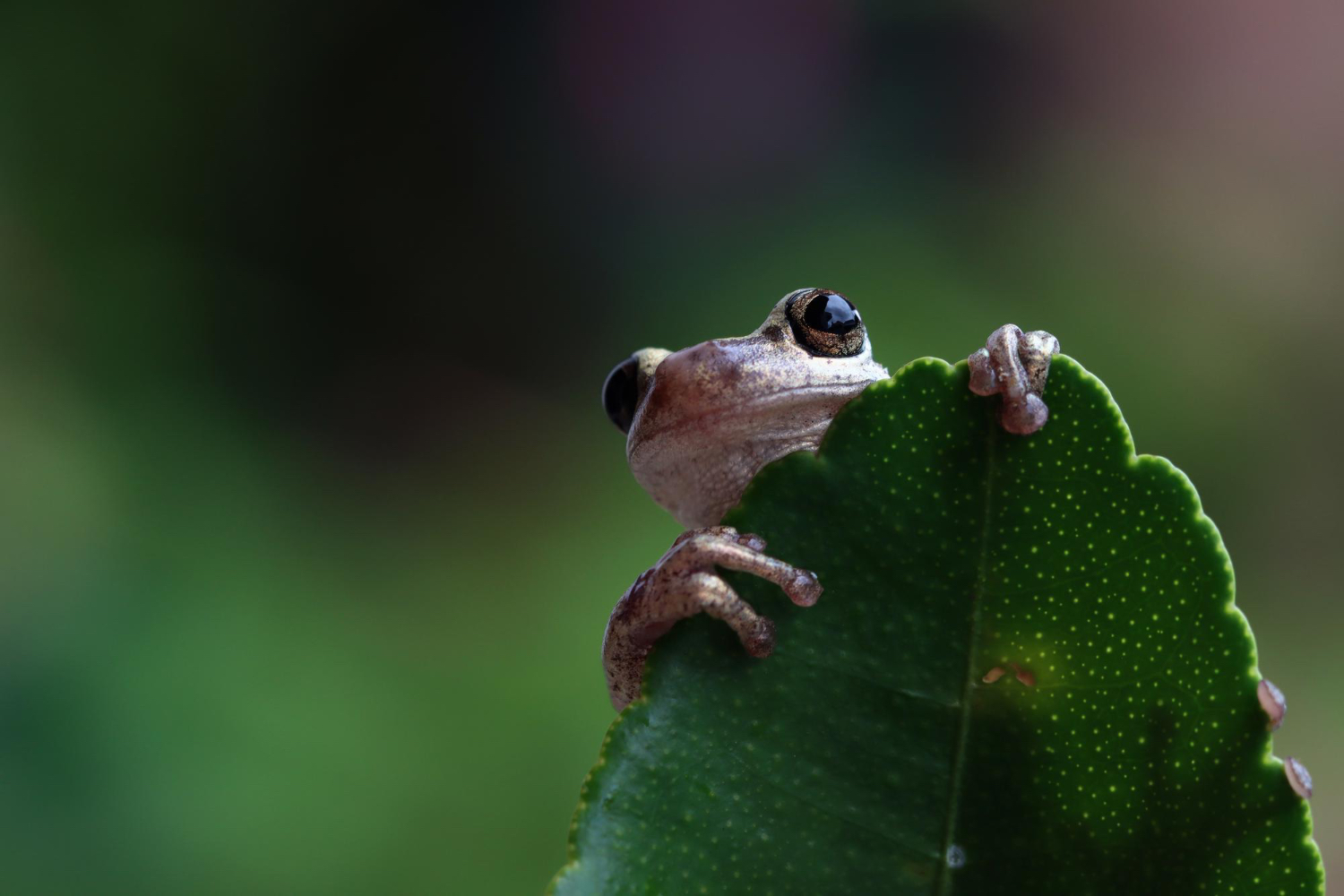
If you've ever been near a pond or wetland before a storm, you may have noticed something strange.
The frogs suddenly start singing.
Frogs are strongly influenced by environmental conditions, particularly moisture and temperature. Their behaviour and calls can change as conditions become more suitable for breeding, which often happens around periods of rainfall.
That means a chorus of frogs can sometimes be a pretty good indication that wetter conditions are arriving.
But once again, they're not necessarily predicting the weather days in advance. They are responding to the conditions around them.
Still, if the frogs are suddenly throwing a concert, it might be worth grabbing an umbrella.
WTF Verdict: There is a good reason behind the folklore, but it's more reaction than prediction.
Ants: Should You Follow Them?
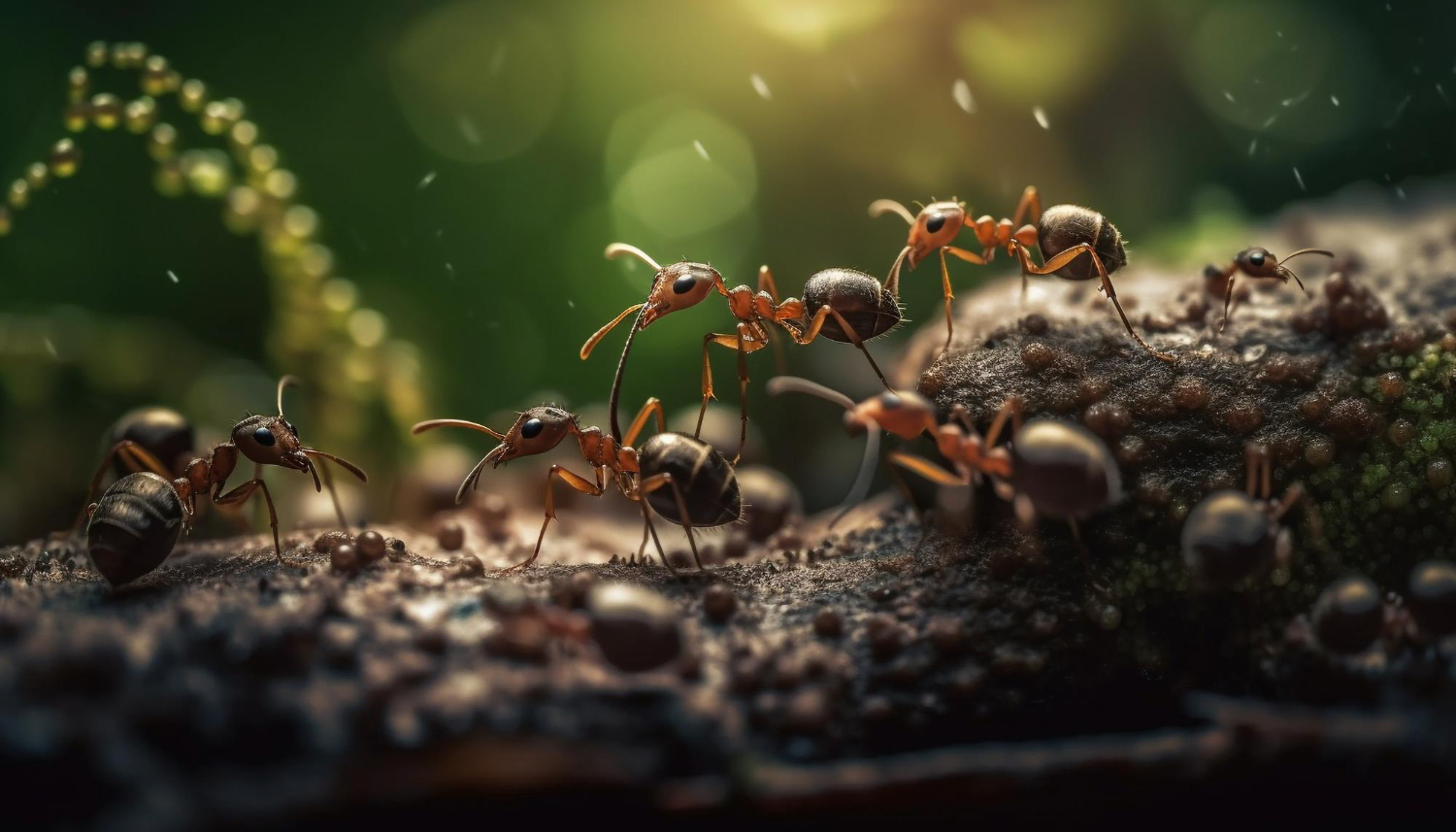
Ants have also earned a reputation as tiny weather forecasters.
There are stories of ants becoming more active before rain or changing their behaviour ahead of bad weather. In some communities, insects and other animals have traditionally been observed as indicators of changing weather and the beginning of rainy seasons.
The logic makes sense. Ants live extremely close to the ground, where changes in moisture and environmental conditions can be important to their survival. Some species may alter their behaviour when conditions change.
But that doesn't mean every ant you see carrying a crumb is warning you about a thunderstorm.
It might just be carrying a crumb.
WTF Verdict: Possibly, but don't replace your weather app with an ant colony just yet.
What About Dogs and Cats?
This is where things get interesting.
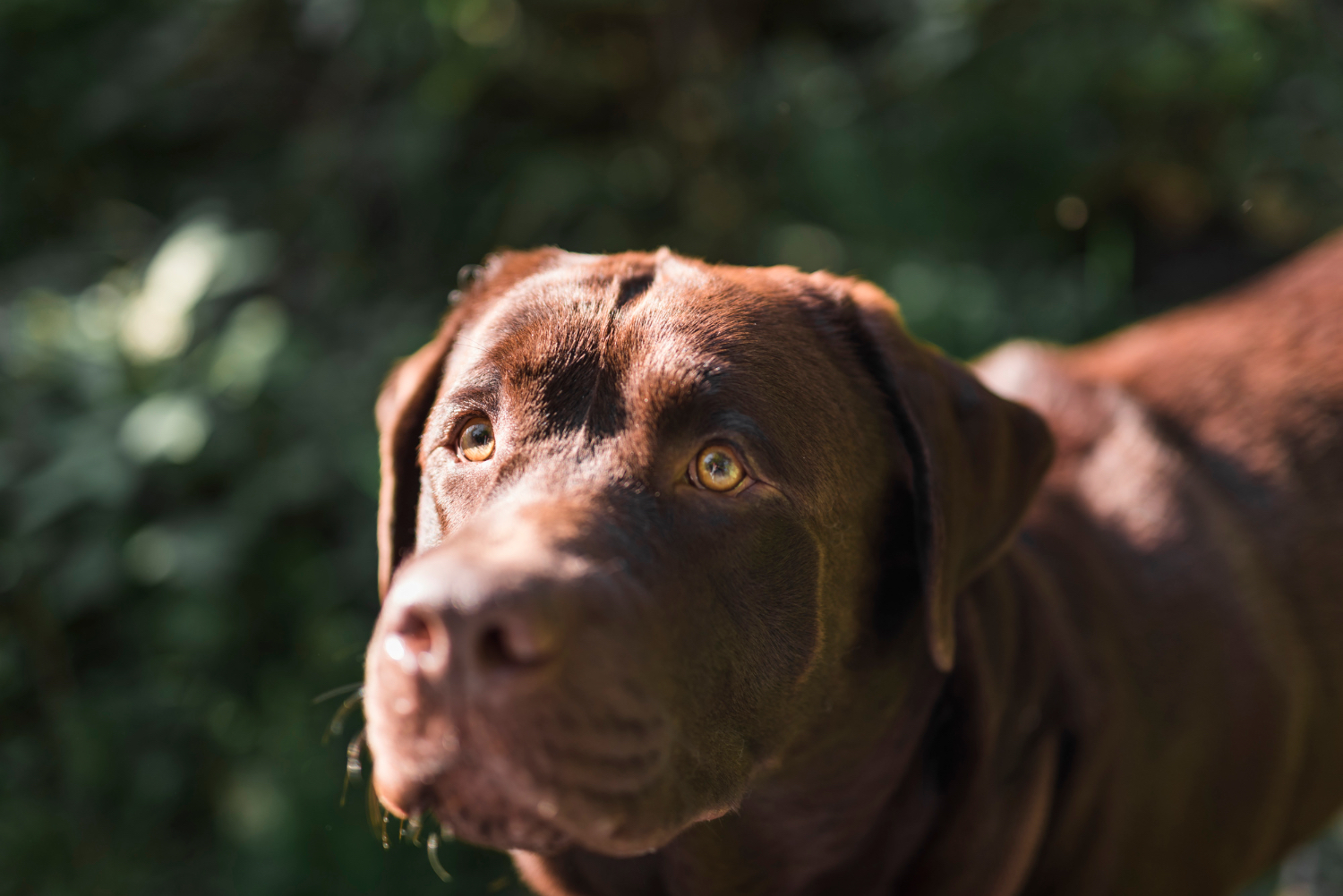
Many pet owners swear that their dogs or cats behave differently before a storm. Some dogs become anxious. Others pace, hide or bark. Cats may also become unsettled.
There are several possible explanations.
Animals may be able to detect environmental changes that humans don't notice, including changes in atmospheric pressure. They may also hear distant thunder before we can, or respond to changes in wind, temperature and humidity.
Some animals may even pick up on changes in static electricity during thunderstorms, although the exact reasons for storm anxiety can vary from animal to animal.
So if your dog suddenly looks at you like they've just received a classified weather briefing from the National Weather Service, they may actually be picking up on something.
Or they may have just heard a noise you didn't.
WTF Verdict: Quite possibly, but it's complicated.
So, Can Animals Actually Predict the Weather?
The short answer is: sort of... but not really.
Animals don't have tiny weather maps hidden in their brains, and your local flock of pigeons probably isn't running a numerical weather prediction model.
What they do have is an impressive ability to sense their environment.
Changes in atmospheric pressure, temperature, humidity, wind and other environmental factors can influence animal behaviour. Some animals may respond to these changes before humans notice them, which can make it look like they are predicting what's coming.
In reality, they are often responding to clues that the weather itself is already providing.
There is also a fascinating human side to this story. For centuries, communities have built up detailed knowledge of the natural world by observing animals, plants and environmental changes.
A 2025 review of traditional and local knowledge found that animal behaviour is one of the most commonly used biological indicators for anticipating weather and natural hazards in communities around the world. Researchers also emphasise that these observations are highly localised and need to be tested carefully rather than treated as universal rules.
So perhaps the old farmers weren't completely wrong.
They just didn't have a radar map.
The Final Forecast
The truth is, animals probably aren't better meteorologists than humans. But they are incredibly well adapted to their environments, and many can detect subtle changes that we simply aren't equipped to notice.
So the next time you see birds suddenly changing direction, frogs putting on a concert or insects behaving differently, take a moment to look up at the sky.
You might just have stumbled across nature's very own early warning system.
Just don't cancel your plans because a cow sat down.
We've checked.
That's still not a reliable forecast.