Around 900 Snakes Escaped During China’s Floods. Here’s What Actually Caused the Flooding
Imagine surviving a major flood only to discover that hundreds of snakes have also decided to move into your neighbourhood. That is exactly what happened in southern China, where severe flooding reportedly allowed around 800 to 900 snakes to escape from a breeding farm. But while the snakes made the headlines, the bigger story is the extreme weather that caused the flooding in the first place.
In early July, parts of southern China's Guangxi Zhuang Autonomous Region were hit by days of torrential rainfall as Typhoon Maysak affected the region.
The result was widespread flooding, evacuations and major damage to infrastructure. In Hengzhou, near Nanning, floodwaters became so severe that reservoirs overflowed and breaches occurred, sending large volumes of water into downstream areas.
And then came the snakes.
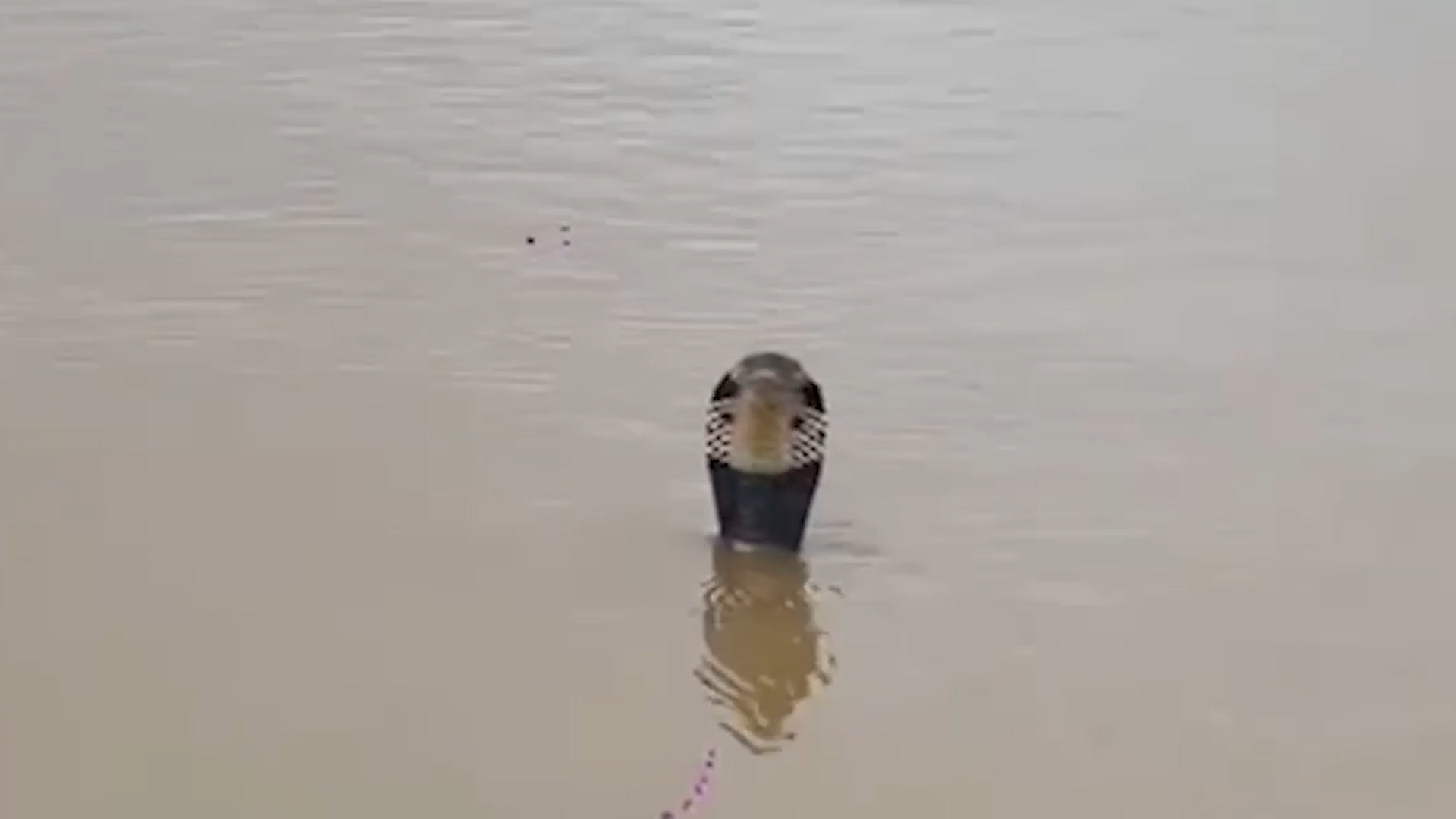
A breeding farm in the Hengzhou area was reportedly damaged by the floodwaters, allowing hundreds of snakes to escape into the surrounding area. Reports put the initial number at around 800 to 900 reptiles.
Most of the escaped snakes were reportedly non-venomous water snakes, but venomous species, including cobras, were also among those that got loose. That understandably created an entirely new problem for residents already dealing with dangerous floodwaters.
Authorities warned people not to approach the snakes, while teams worked to recapture them and hospitals prepared for potential snakebite cases.
So, what actually caused the flooding?
It started with Typhoon Maysak
The immediate trigger was Typhoon Maysak, which brought persistent and exceptionally heavy rainfall to parts of Guangxi.
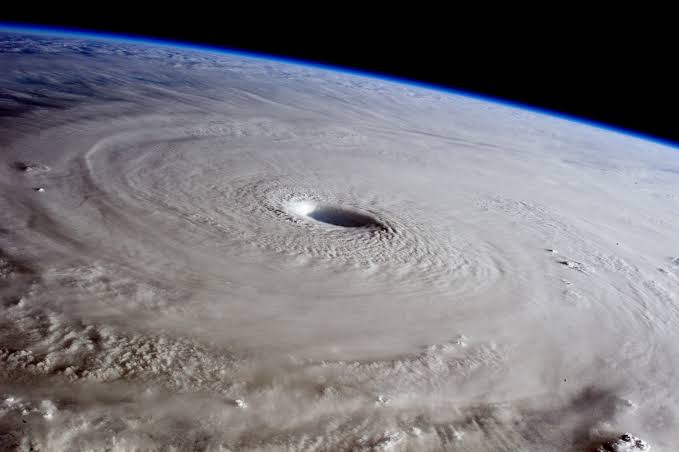
Tropical systems can be major rainmakers even when their strongest winds are not directly affecting an area. As moist tropical air is pushed into a region, it can produce repeated bands of heavy rain. When those rainbands continue moving over the same areas, rainfall totals can quickly become extreme.
In this case, Guangxi experienced several days of heavy rain from the beginning of July. Rivers rose rapidly, while reservoirs and other water-management infrastructure came under increasing pressure.
That is where the situation became particularly dangerous.
When heavy rain overwhelms the landscape
Flooding is not always caused by one giant downpour.
Sometimes, the biggest danger comes from a combination of factors.
First, large amounts of rain fall over a relatively short period. The ground becomes saturated, meaning less water can soak into the soil. More water then runs across the surface and into streams and rivers.
As rivers rise, water levels can reach dangerous heights. At the same time, reservoirs fill rapidly as they receive huge amounts of additional water.
If the incoming water exceeds what the system can safely handle, reservoirs may overflow or infrastructure can fail.
That is what happened in parts of Guangxi.
According to reports, heavy rainfall caused reservoirs in the Nanning area to overflow, with breaches reported at reservoirs including Liulan and Yunbiao in Hengzhou. The resulting floodwaters affected downstream communities and forced large-scale evacuations.
So, while the viral images of snakes swimming through floodwaters are certainly the strangest part of this story, the flooding itself was the result of a much bigger chain reaction: Typhoon Maysak brought extreme rainfall, rainfall rapidly increased river and reservoir levels, and overwhelmed infrastructure contributed to widespread flooding.
Why southern China is so vulnerable to flooding
Southern China regularly experiences periods of heavy rainfall, particularly during its annual wet season.
The region's geography can also make flooding worse. Mountains, river valleys and densely populated areas can all influence how quickly rainwater moves through a landscape.
When intense rainfall happens over a large area, rivers can rise rapidly. If reservoirs are already holding significant amounts of water, there is less room to absorb additional rainfall.
This is why flood forecasting is about much more than simply asking, "How much rain is falling?"
Meteorologists and emergency managers also need to consider how saturated the ground is, how much water is already flowing through rivers, the capacity of reservoirs and dams, and how much additional rain is expected.
All of those factors can turn a heavy rain event into a major flood disaster.
And then there were snakes
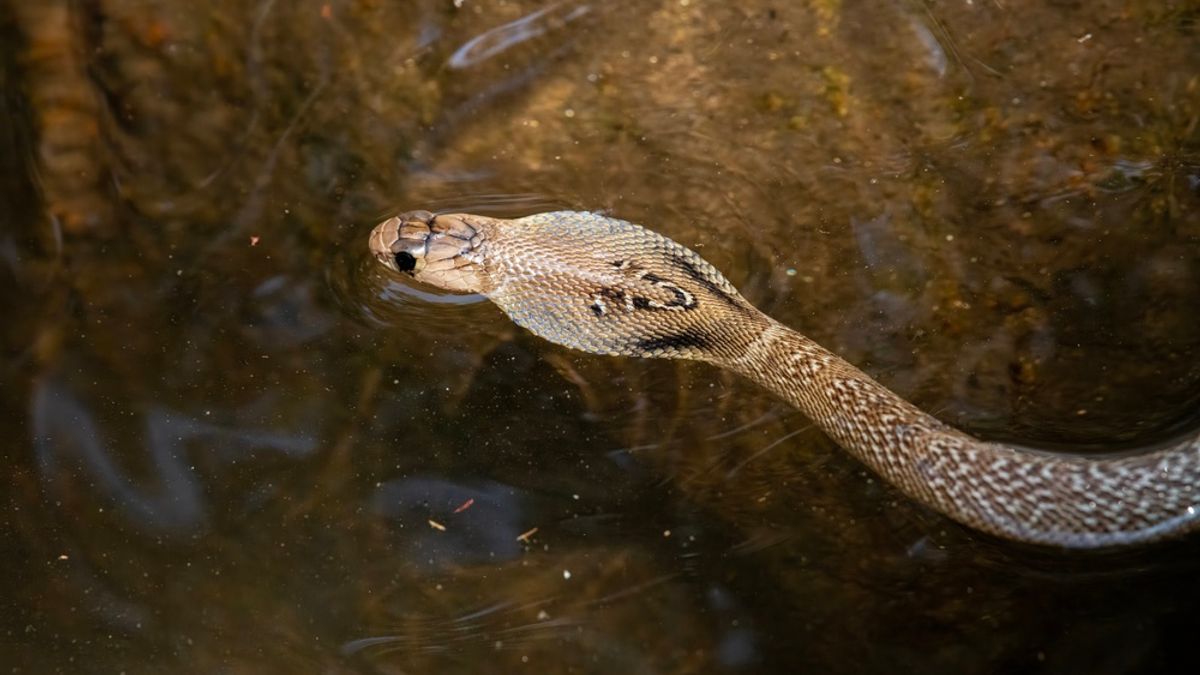
The escaped snakes added an unusual twist to an already dangerous situation.
Floodwaters can carry animals far beyond their normal habitats, and snakes are particularly capable swimmers. When their enclosures are damaged or submerged, they can quickly find themselves in surrounding fields, roads and buildings.
For residents trying to navigate floodwaters, the possibility of encountering a snake adds another layer of danger.
The important thing to remember is that snakes generally don't go looking for people. During floods, they are often simply trying to escape rising water themselves.
Unfortunately, that can put them into close contact with humans.
So if you ever find yourself in a flooded area and spot a snake, the best advice is pretty simple: don't try to catch it.
Give it plenty of space and let trained responders deal with it.
The bigger weather story
It is easy to focus on the bizarre part of this story. After all, "hundreds of snakes escape during a flood" is the kind of headline that sounds like it belongs in a disaster movie.
But behind the viral videos is a serious reminder of how quickly extreme weather can create multiple problems at once.
A tropical system brings heavy rain.
The rain saturates the ground.
Rivers rise.
Reservoirs fill.
Infrastructure comes under pressure.
Floodwaters spread.
And suddenly, animals that were safely contained are also on the loose.
That is what makes major weather disasters so complicated. The initial weather event is only the beginning. The impacts can continue to multiply long after the rain starts falling.
For the people of southern China affected by the floods, the story was never really about the snakes. It was about dangerous rainfall, rising water and communities facing a major disaster.
The snakes just made an already unbelievable situation even more WTF.
And honestly, if there is one lesson we can take from this story, it is this:
When someone tells you the forecast is calling for heavy rain, don't assume things can't get any worse. Apparently, sometimes the snakes escape too.