Spain Hit by Torrential Rain as Warm Mediterranean Fuels Severe Storms
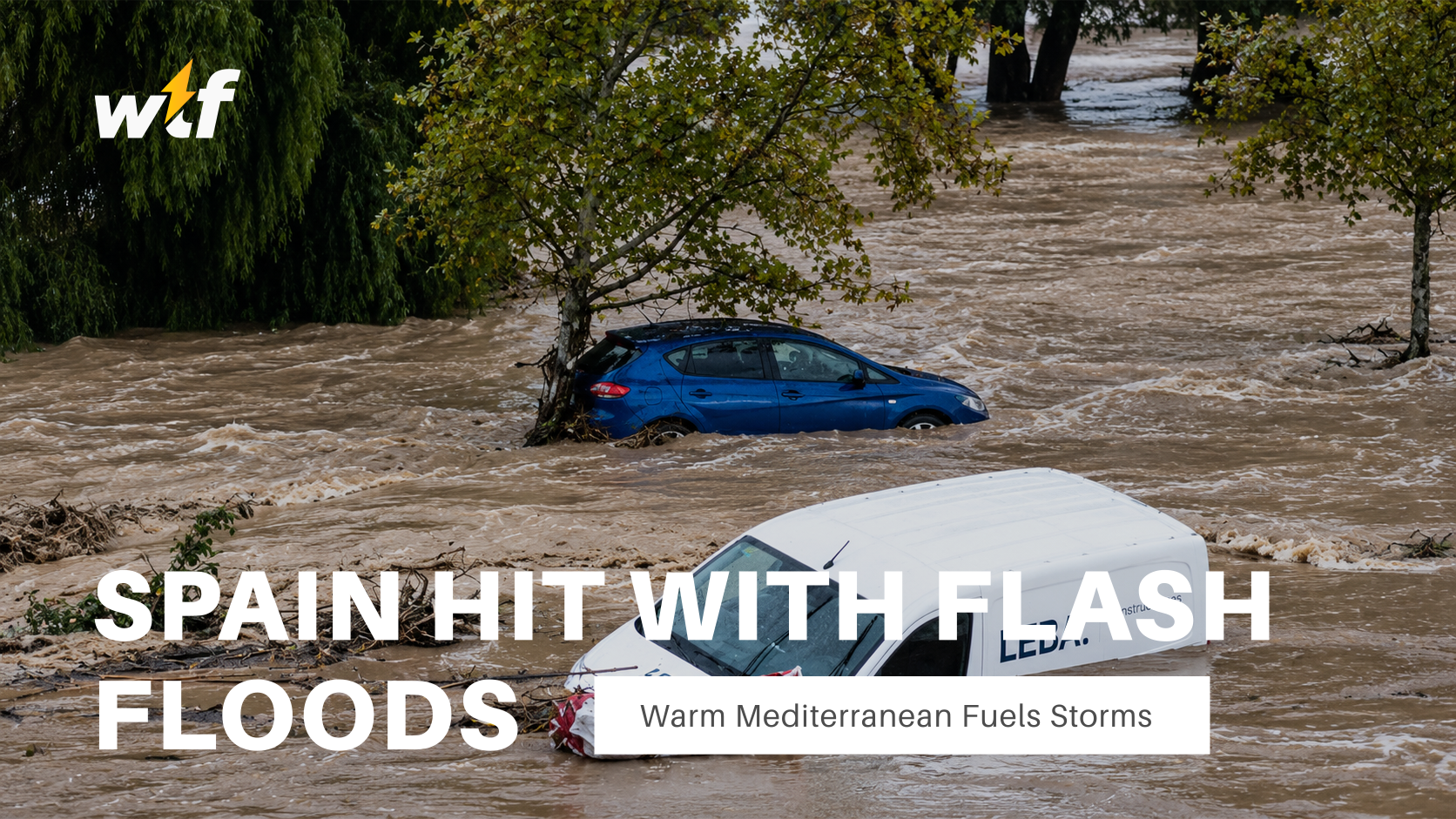
Eastern Spain has been hit by intense thunderstorms and flash flooding, with more than 100 mm of rain falling in some areas as unusually warm Mediterranean waters help fuel powerful storms.
Spain has gone from extreme heat to torrential rain in a matter of days, with severe thunderstorms sweeping across parts of the country's east.
The storms brought intense rainfall, large hail and powerful winds to areas including Catalonia, Valencia and Murcia, triggering flash flooding and widespread disruption.
In some locations, rainfall totals exceeded 100 mm, while parts of Murcia recorded more than 60 mm in less than an hour. Spain's state meteorological agency, AEMET, issued high-level warnings as the storms moved south along the Mediterranean coast.
One person killed as flooding sweeps through communities
The storms have already had deadly consequences. In Olivella, near Barcelona, a driver died after his vehicle was swept away by floodwater. Emergency services later recovered his body from the area where the floodwater had carried the vehicle.
Flooding also caused widespread disruption across Catalonia and Valencia, with roads and rail services affected, trees brought down and public transport disrupted. Flights were also cancelled or diverted, while a La Liga football match was postponed because of the dangerous conditions.
Why is the Mediterranean important?
One of the most interesting parts of this event is what is happening beneath the storms.
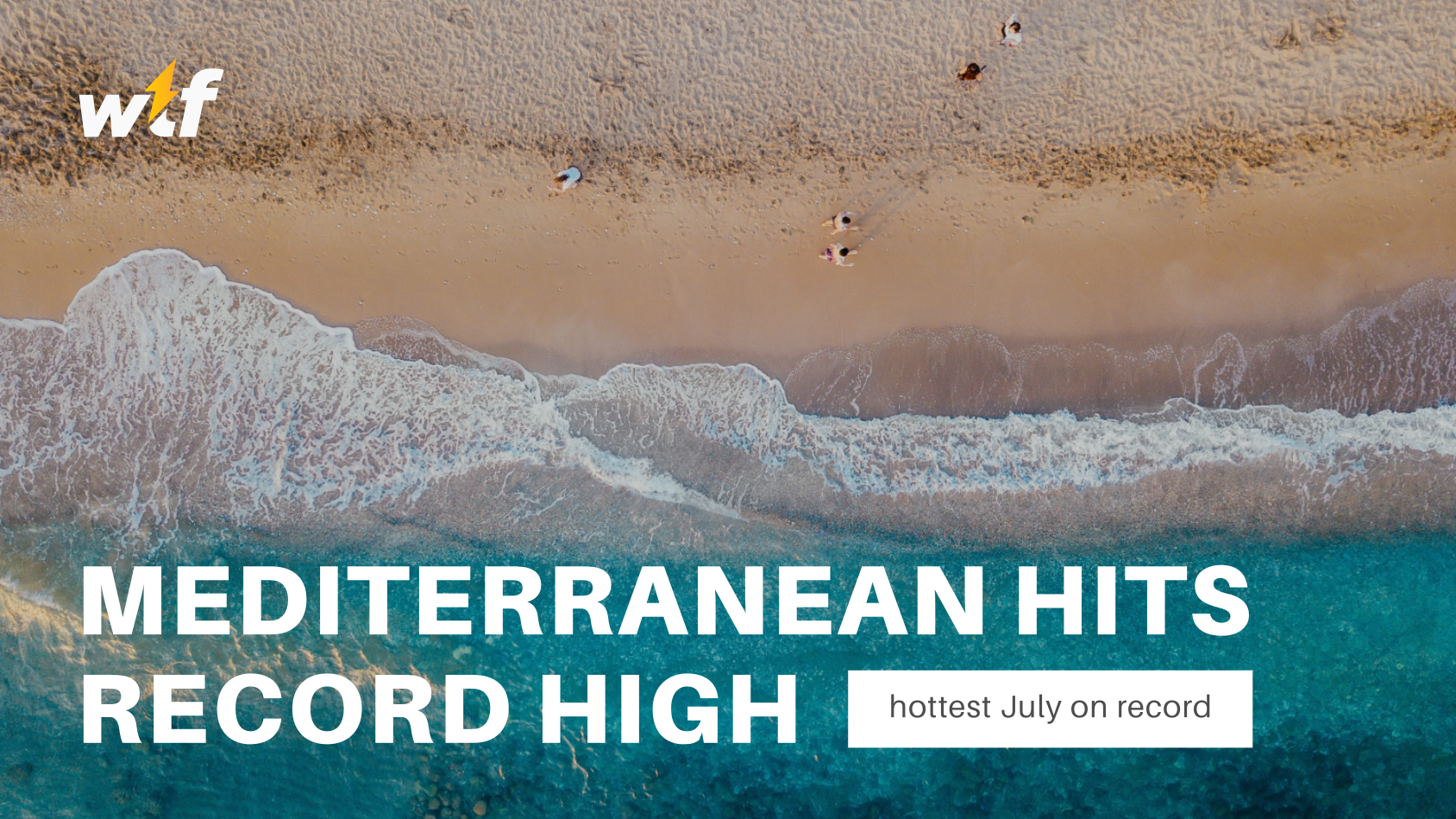
The Mediterranean has remained exceptionally warm following an extremely hot summer, and sea temperatures around Spain reached record levels during summer 2026. Monitoring stations operated by Spain's state port authority recorded their highest-ever temperatures at multiple locations along both the Mediterranean and Atlantic coasts.
Warm seawater provides additional heat and moisture to the atmosphere. When atmospheric conditions become favourable for thunderstorms, that extra moisture can help storms produce extremely heavy rainfall.
This is particularly important in the Mediterranean during September and October, when the sea is normally at or near its warmest following the summer. The arrival of colder air higher in the atmosphere can create a sharp contrast, helping thunderstorms become more intense.

From extreme heat to extreme rain
Spain has just come through an exceptionally hot summer, with another burst of extreme heat pushing temperatures towards 40°C in parts of the country earlier this month.
Now, the same region is dealing with torrential rainfall and flash flooding.
That rapid change is a reminder that Mediterranean weather can shift dramatically as summer gives way to autumn. The warm sea that built up heat throughout the summer can become an important source of moisture when the first stronger autumn weather systems arrive.
And with Mediterranean waters still unusually warm, the risk of further heavy rainfall events remains a concern as the region heads deeper into the autumn storm season.