Winter Road Trip Safety in South Africa: Everything You Need Before You Hit the Road
South African winters don't bring blizzards, but black ice on mountain passes, dense fog in the Hex River Valley, and freezing Karoo nights are just as dangerous. Here's how to prepare your car and yourself before you hit the road this winter.

Winter in South Africa doesn't look like the movies. There's no blizzard blocking the highway, no whiteout conditions, and (unless you're heading to the Drakensberg or the Swartberg Pass) no snow scraper needed. But don't let that lull you into skipping your prep — South African winters come with their own set of hazards that catch drivers off guard every single year.
From dense early-morning fog on the N1 through the Hex River Valley, to black ice on mountain passes in the Western Cape, to freezing temperatures that drain your battery overnight — winter driving in South Africa demands respect. Here's everything you need to stay safe.
What Makes a South African Winter Road Trip Different?
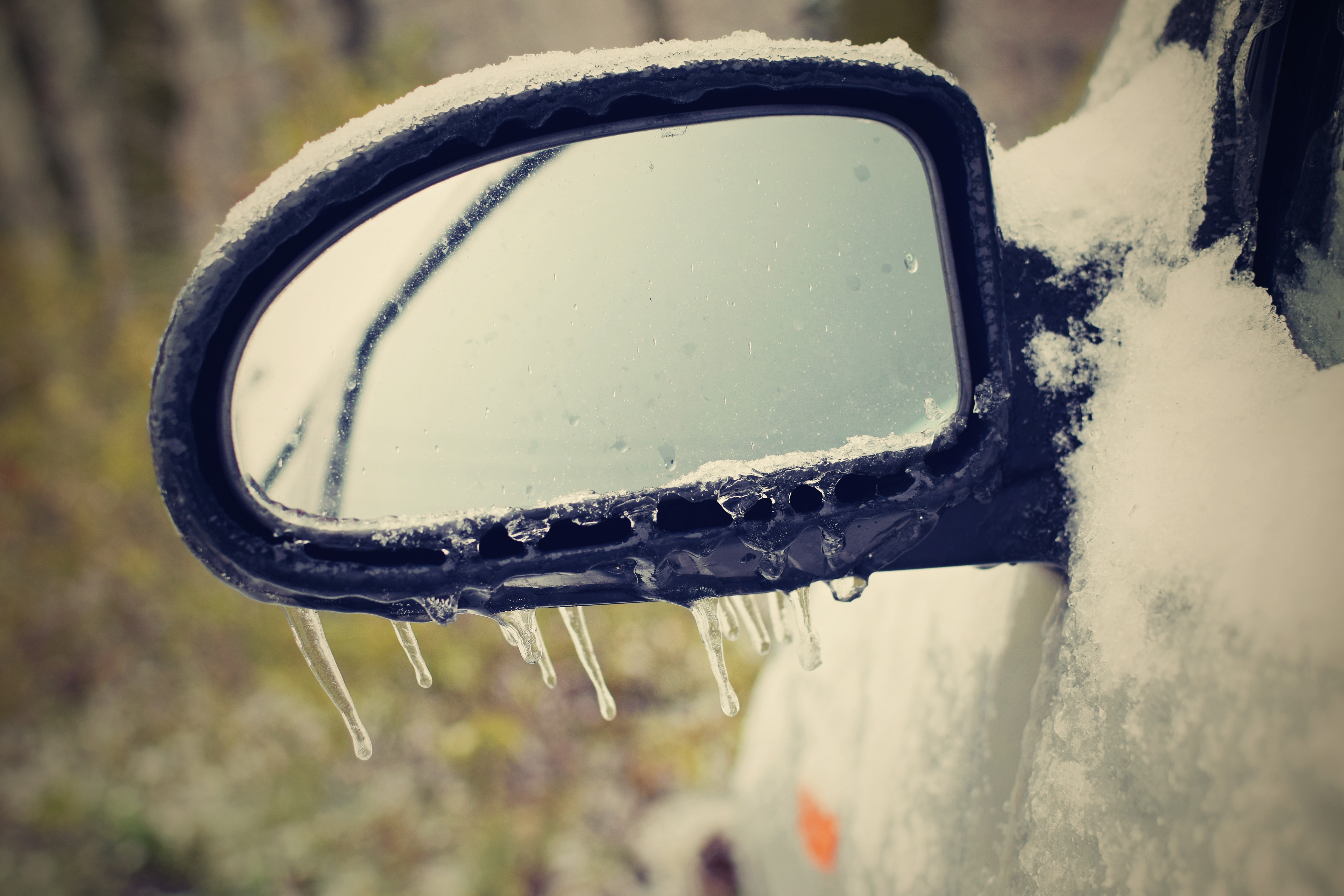
Our winters are dry, cold, and deceptively clear. That clarity can make drivers overconfident. The real dangers are:
- Black ice on mountain passes and shaded roads — especially in the Western Cape, Eastern Cape highlands, and KZN Midlands
- Dense fog in the early morning, particularly in the Hex River Valley, Huguenot Tunnel approaches, and coastal areas
- Overnight frost that affects tyre pressure, battery life, and rubber seals
- Wind on exposed passes — Tradouw, Outeniqua, Bainskloof, and Swartberg can be brutal in winter gusts
- Early darkness — shorter days mean more driving in low light conditions
- Wildlife on rural roads at dusk and dawn, more active in cooler weather
Snow, if you get it at all, is largely confined to the high Drakensberg, the Swartberg mountains, and some Karoo passes. But if your route goes through any of these, you'll want to treat them with the same caution as anywhere else.
Before You Leave: Get Your Car Winter-Ready
Check Your Tyres
Cold temperatures cause tyre pressure to drop — roughly 1 PSI for every 6°C drop. An under-inflated tyre has less grip on wet or frosty roads.
- Check pressure when tyres are cold, before you set off
- Check tread depth — the legal minimum is 1mm, but aim for at least 3mm
- If you're heading into the Drakensberg or mountain passes after rainfall, consider your tyres' wet-weather rating
Products to keep on hand: A quality tyre pressure gauge, a portable tyre inflator (12V plug-in versions are affordable and compact)
Test Your Battery
South African winters may be mild by global standards, but overnight temperatures in Johannesburg, Pretoria, and inland areas regularly drop to 3–8°C — cold enough to strain an ageing battery. Nothing ruins a trip like a car that won't start at 5am.
- If your battery is older than 3 years, get it tested before a long trip
- Keep jumper cables in the boot — always
Products to consider: A portable jump starter (lithium-ion ones are now compact enough to fit in a laptop bag and will start a car multiple times on a single charge)
Top Up Your Fluids
- Use the correct antifreeze/coolant mix — neat water isn't enough in freezing temperatures
- Make sure your windshield washer fluid is a winter formula that won't freeze in the reservoir
- Check that your wiper blades are in good condition — worn blades on a foggy morning are a real problem
Products to consider: Winter-formula washer fluid, replacement wiper blades
Check Your Lights
Shorter days and fog mean you'll use your lights more. Test all bulbs — headlights, taillights, indicators, and fog lights. Many drivers in South Africa drive without working fog lights simply because they've never needed them in summer.
Build Your Winter Emergency Kit
This is the section most South African drivers skip — and the one that matters most when something goes wrong on a remote Karoo road or a dark mountain pass.
Pack these in a dedicated bag or crate in your boot:
Safety & Visibility
- Reflective triangles (legally required in South Africa — you should already have these)
- High-visibility vest — if you break down on the N2 at night, you want to be seen
- Torch or headlamp with fresh batteries
- Emergency flares or LED road flares — more visible than triangles in heavy fog
For Getting Unstuck
- Tow rope — useful if you slide off a gravel road or get stuck in mud after winter rains
- Traction boards or sand — less relevant for most SA drivers, but worth it if you're travelling on dirt roads or into mountain areas
Warmth & Survival
- Warm blanket — a proper fleece or emergency foil blanket. This is non-negotiable if you're driving at night through the Karoo or any elevated region
- Warm layers — a jacket, beanie, and gloves in the boot even if you leave home in a t-shirt
- Hand warmers — small, cheap, and a lifesaver if you break down at night
Communication & Power
- Portable phone charger / power bank — fully charged before you leave
- Car phone charger as backup
- ADAC/AA membership or roadside assistance number saved in your phone — South Africa has several roadside assist providers through insurance and fuel cards
Food & Water
- Water — at least 2 litres per person
- Snacks — energy bars, biltong, dried fruit. Nothing perishable
First Aid
- Basic first aid kit — plasters, antiseptic, bandages, pain medication, any personal prescriptions
On the Road: Driving Smart in Winter Conditions
Fog
The Hex River Valley and areas around the Huguenot Tunnel are notorious for dense morning fog in winter. The same goes for the KZN Midlands and coastal areas in the early hours.
- Switch on fog lights (not hazards — hazards impair your ability to signal)
- Slow down significantly — fog can reduce visibility to 20–30 meters
- Follow road markings, not the car in front
- If visibility becomes dangerously low, pull off safely and wait it out
Black Ice & Frost on Passes
South African mountain passes — Bainskloof, Swartberg, Outeniqua, Tradouw, Sani Pass — can develop frost and black ice in winter, especially in shaded sections and on south-facing slopes.
- Slow down significantly on mountain passes in winter, especially early morning
- Avoid sharp braking and sudden steering inputs
- If you feel the car slide, ease off the accelerator — do not brake hard
- Black ice looks like a wet patch on the road — treat any shiny section with extreme caution
Wind
Some passes and open stretches (especially in the Cape and Karoo) experience strong winter winds that can affect vehicles, particularly SUVs, bakkies with canopies, and vehicles towing trailers.
- Grip the steering wheel firmly on exposed sections
- Give trucks and buses extra space — they're far more affected by side winds
Wildlife at Dusk and Dawn
Animals are more active in the cooler hours. On rural and game area roads, be especially vigilant at sunrise and sunset.
- Slow down on unfenced game roads after dark
- If an animal appears, brake steadily — don't swerve sharply
Keep Your Fuel Tank Above Half
Petrol stations in rural South Africa can be few and far between. In winter, an unexpected detour, road closure, or long traffic delay (common after accidents on mountain passes) can leave you stranded. Keep your tank above the halfway mark on long stretches.
If You Get Stranded
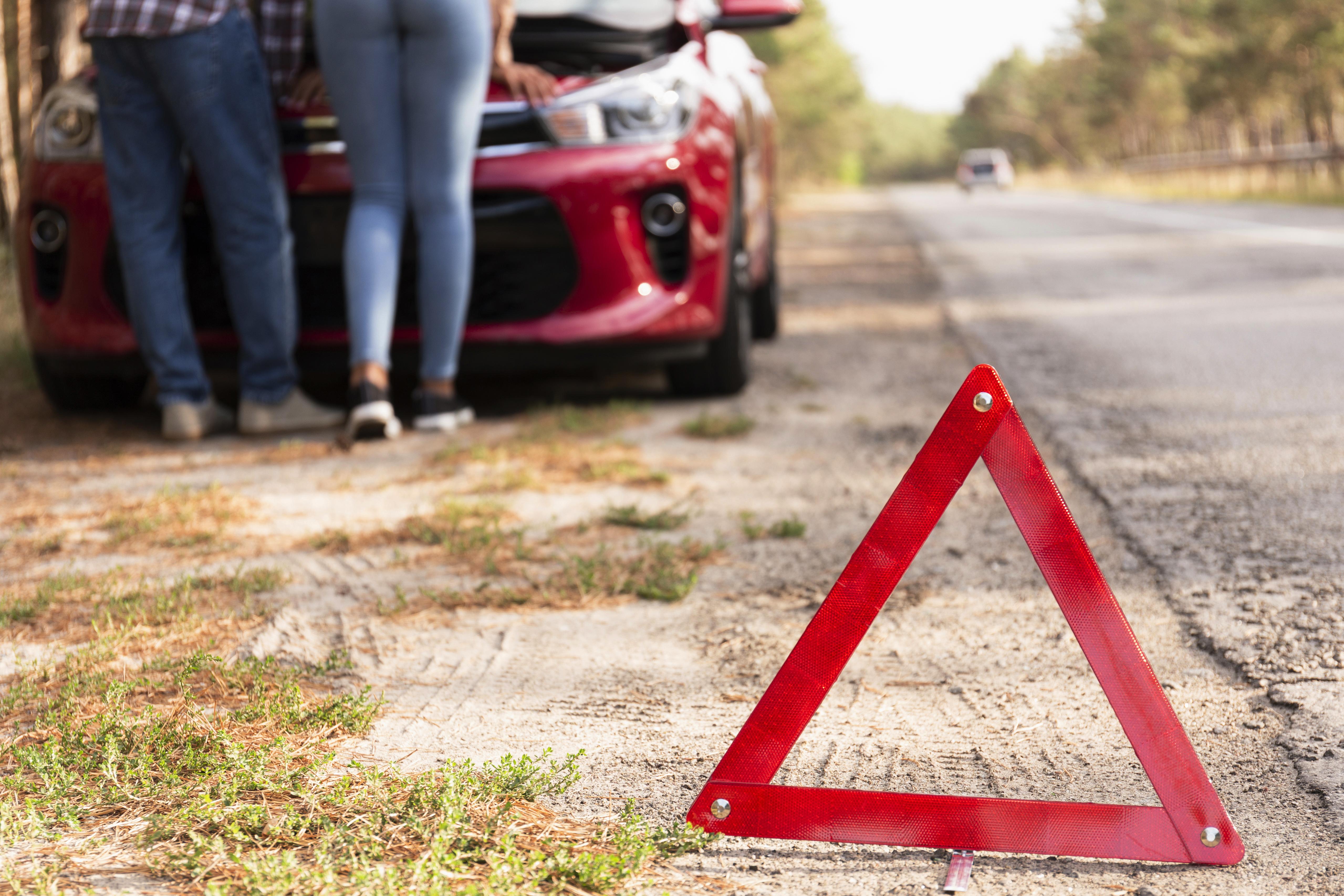
Stay calm — here's what to do:
- Pull fully off the road if possible, onto a verge or hard shoulder
- Switch on your hazard lights immediately
- Place reflective triangles behind your vehicle (legally required — 45m behind in built-up areas, further on open roads)
- Put on your high-visibility vest before exiting the vehicle
- Call for help — your insurer's roadside assist, AVIS, Budget, or AA depending on what cover you have. Garmin and Google Maps both work reasonably well in most of South Africa for sharing your location
- Stay with your vehicle — it's easier to spot than a person on foot, and it provides shelter
- Use your blanket and warm layers — winter nights drop quickly, especially inland
- Run the engine sparingly for warmth — crack a window slightly for ventilation
Packing for the Trip Itself
Your car kit is sorted — now pack smart for the journey:
- Layered clothing — South African winter days can be warm and sunny, but evenings drop fast. A light puffer jacket and fleece layer covers you for most conditions
- Waterproof jacket — the Western Cape and KZN get rain in winter
- Proper boots or closed shoes — sandals in July in the Karoo at night is a bad idea
- Insulated water bottle — keeps drinks warm on cold drives
- Sunscreen — the South African winter sun is still powerful, especially in the Cape and highveld
- Lip balm and moisturiser — inland winter air is very dry
Key Routes to Watch in Winter
RouteWatch Out For
- N1 through Hex River Valley - Morning fog, Huguenot Tunnel approach
- Bainskloof Pass (R301) - Frost, ice, narrow road
- Swartberg Pass (R328) - Snow possible Dec–Aug, steep and gravel
- Outeniqua Pass (N12) - Wet roads, heavy trucks
- Sani Pass (KZN/Lesotho) - Snow and ice possible — 4x4 and chains required in winter
- N3 KZN Midlands - Fog, frost, high traffic
- Tradouw Pass (R324) - Wind, frost in early morning
The Bottom Line
South African winters are manageable — but only if you prepare. The roads are quieter than December, fuel is available, and the scenery is spectacular. A properly kitted-out car, a little extra caution on the passes, and a winter emergency kit in the boot is all it takes to turn a potentially dangerous situation into a minor inconvenience.
Drive safe. Pack smart. And enjoy the winter roads — there's a reason locals say July in the Cape is the best-kept secret in travel.