The 2026 World Cup's Biggest Opponent Isn't on the Pitch, It's the Weather
More than one-third of all 2026 World Cup matches carry a high risk of dangerously hot and humid conditions, and the weather gap between host cities is unlike anything the tournament has seen before.

The most geographically sprawling World Cup in history is already underway. But as 48 nations compete across three countries, the climate may prove just as decisive as the football.
The 2026 FIFA World Cup kicked off on June 11 with Mexico facing South Africa in Mexico City, launching a 39-day tournament spread across 16 cities in the United States, Canada, and Mexico. It's a tournament unlike any other, and not just because of the record 48 teams. The sheer geographic range of host cities means players and fans will experience weather conditions that swing from blissfully mild to dangerously hot, sometimes within the same week.
A Tale of Two Tournaments
Scientists and climate researchers have been sounding the alarm for months. More than one-third of all 2026 World Cup matches carry a high risk of dangerously hot and humid conditions, according to an NPR analysis of two decades of temperature data across host cities. Dozens more matches come with moderate heat risk.
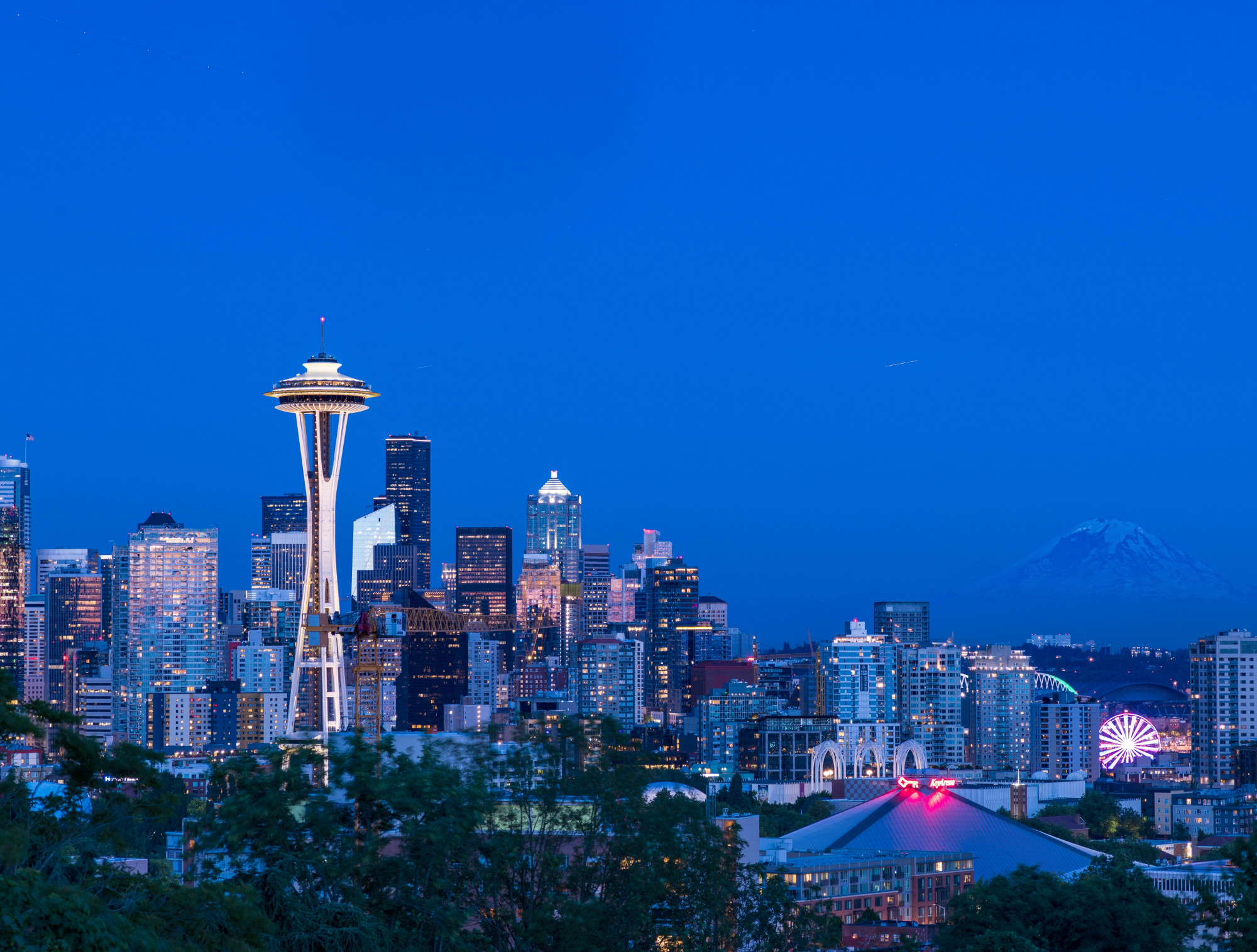
The divide is stark. Northern and coastal cities: Vancouver, Seattle, and San Francisco are offering players and fans genuine summer comfort, with average highs in the low-to-mid 20s Celsius, low humidity, and barely a drop of rain. Seattle's Lumen Field, open to the air, is nonetheless considered one of the most forgiving venues in the draw.
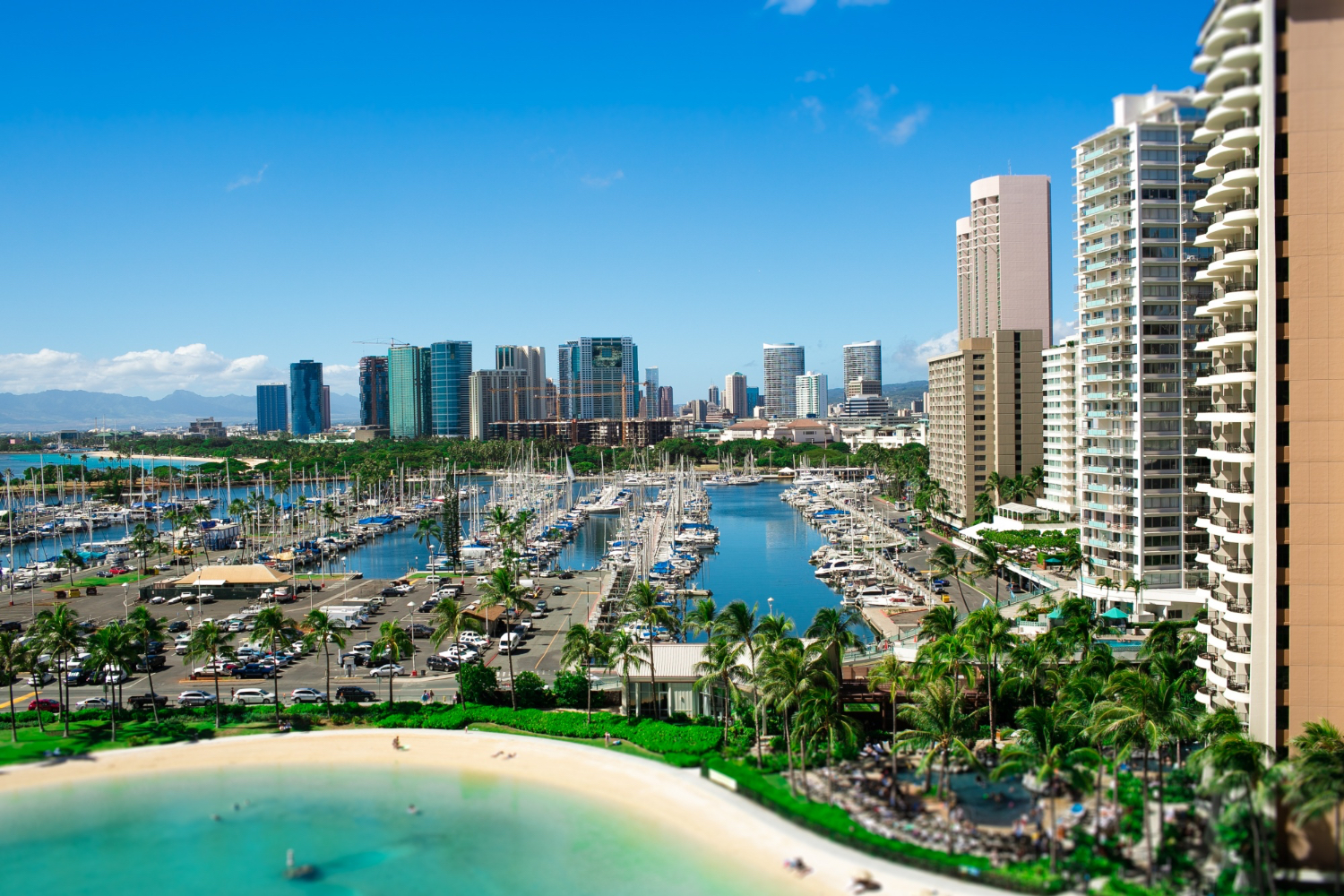
Meanwhile, cities like Houston, Dallas, Miami, and Monterrey are presenting a different picture entirely. Wet Bulb Globe Temperature (WBGT), the metric scientists use to measure real physiological heat stress, factoring in humidity, solar radiation, and wind is expected to exceed 28°C for the majority of afternoon hours in these cities. In the worst cases, Texas and Monterrey could see afternoon WBGTs push past 32°C (90°F), levels at which prolonged outdoor exertion becomes genuinely dangerous.
Heat That Has Already Struck
This isn't a hypothetical concern. In June 2024, referee Humberto Panjoj collapsed on the field during a Copa América match in Kansas City due to heat illness and had to be rushed to hospital. Kansas City is itself a 2026 World Cup host, and the Tunisia vs Netherlands match is scheduled there for June 25, 2026, exactly two years to the day.
The memory of Qatar looms large too. The 2022 World Cup was moved from its traditional June-July window to November-December specifically because of the Gulf state's lethal summer heat, the first such rescheduling in the tournament's 89-year history. North America can't reschedule, but it can prepare.
The Cities Most at Risk
Houston sits at the top of almost every heat risk analysis. The city typically sees three-quarters of June and July afternoon hours with WBGT above 28°C , the threshold at which player safety becomes a serious concern. NRG Stadium has a roof, which helps for those inside, but travelling fans, workers, and the broader event footprint still face brutal conditions.
Dallas/Arlington is similarly exposed, with AT&T Stadium, fortunately, offering full climate control inside. But the surrounding city in June and July can feel extreme.
Miami compounds heat with its notorious humidity. High moisture levels amplify heat stress far beyond what the air temperature alone suggests, and analyses consistently flag it as one of the highest-risk venues.
Monterrey, Mexico adds yet another dimension. Temperatures regularly soar past 38°C (100°F) in June and July, with limited shade and the intensity of high-altitude sun. Fans have been urged to plan for aggressive hydration and sun protection.
Where Players Get a Break
Not every city is a furnace. Seattle offers average highs of just 22–25°C with low humidity, the famous Pacific Northwest rain is a winter phenomenon, and summer there is dry, mild, and sunny. Vancouver's BC Place has a retractable roof and climate control, making weather a near non-issue. San Francisco benefits from coastal cooling.
Five stadiums in total have roofs or climate control: AT&T Stadium (Dallas), NRG Stadium (Houston), Mercedes-Benz Stadium (Atlanta), SoFi Stadium (Los Angeles), and BC Place (Vancouver). For matches at these venues, outdoor conditions are largely irrelevant to the match experience,
Altitude: Mexico's Hidden Factor
Beyond heat, Mexico's venues introduce an altitude challenge that no amount of hydration can fully offset. Mexico City sits at 2,240 meters above sea level, thin air that visibly affects player stamina and breathing. Guadalajara is at 1,566 meters, and even Monterrey, the lowest of the three at 538 meters, sits meaningfully above sea level. Teams have been factoring acclimatisation into their preparation schedules for months.
What It Means for Fans and Teams

For fans traveling to matches, the message from climate researchers is consistent: plan by city, not by tournament. The difference between a Vancouver evening match and a Houston afternoon game is not just wardrobe, it's a meaningful health consideration.
For teams, scheduling and kickoff times matter enormously. A late evening kickoff in Miami or Dallas can feel dramatically more manageable than an afternoon slot in the same stadium. FIFA has worked to schedule the most heat-exposed matches later in the day, but the group stage's packed fixture list leaves little room for flexibility.
As the beautiful game unfolds across North America this summer, the climate is writing its own storyline, one that will shape tactics, fatigue, and possibly results, from now until the final whistle blows at MetLife Stadium on July 19.
The 2026 FIFA World Cup runs from June 11 to July 19, hosted across 16 cities in the United States, Canada, and Mexico.